Вес парфюмерного флакона роскошь в каждой детали
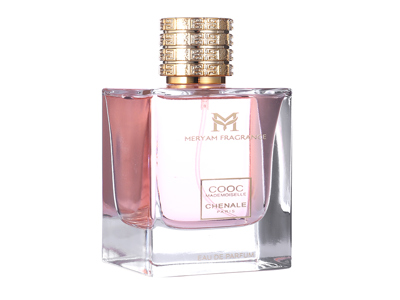
В мире парфюмерии, где ароматы дарят незабываемые эмоции и воспоминания, каждый элемент имеет значение. Однако, зачастую мы сосредотачиваемся лишь на самом запахе, забывая о том, что его оболочка — парфюмерный флакон — является не менее важной частью опыта. Вес флакона, казалось бы, простая физическая характеристика, но именно он становится символом роскоши, качества и внимания к деталям. В этой статье мы погрузимся в увлекательное исследование того, как вес парфюмерного флакона отражает высочайшие стандарты брендов, подчеркивает исключительность и превращает обычный продукт в произведение искусства. От хрусталя Baccarat до инновационных стеклянных конструкций, мы раскроем секреты, скрытые за тяжестью этих изысканных сосудов.
Парфюмерия — это не просто средство для создания приятного запаха; это форма искусства, культура и выражение индивидуальности. С древних времен люди использовали ароматы для ритуалов, лечения и украшения, и с тех пор эволюция парфюмерии шла рука об руку с развитием дизайна упаковки. Первые парфюмерные флаконы из глины или стекла были простыми и функциональными, но с ростом luxury-индустрии они превратились в объекты desire, где каждая деталь, включая вес, играет ключевую роль. Вес флакона — это первый тактильный контакт потребителя с продуктом. Тяжелый, увесистый флакон сразу создает ощущение солидности, надежности и эксклюзивности. Это психологический прием: мозг ассоциирует вес с качеством, как в случае с дорогими часами или ювелирными изделиями. Например, бренды like Chanel или Dior intentionally design their bottles to have a substantial heft, reinforcing their premium image. In contrast, lightweight plastic bottles often signal mass-market products, which might lack the same perceived value.
Исторически, вес парфюмерного флакона был связан с материалами. В древнем Египте и Риме парфюмерия хранилась в тяжелых каменных или металлических сосудах, что подчеркивало ее ценность и священность. С развитием стеклодувного искусства в Венеции и Франции, стеклянные флаконы стали lighter, но все равно сохраняли вес благодаря толстым стенкам и декоративным элементам. В XX веке, с появлением массового производства, вес уменьшился, но luxury-бренды deliberately maintained heft to differentiate themselves. Today, in an era of sustainability, some brands are exploring lighter materials, yet the association between weight and luxury remains strong. This introduction sets the stage for a deeper dive into how weight influences perception, design, and the overall experience of luxury perfumery.
Чтобы понять значимость веса, необходимо оглянуться назад, в историю парфюмерии. В древности, парфюмерные сосуды были функциональными и often heavy due to materials like terracotta, bronze, or alabaster. For instance, in ancient Egypt, perfumes were stored in elaborate stone jars that weighed several kilograms, symbolizing wealth and divine connection. The Romans adopted similar practices, using glass blown techniques that produced heavier bottles compared to modern thin glass. During the Middle Ages, perfumery declined in Europe but thrived in the Islamic world, where glass bottles from Syria and Egypt were prized for their weight and intricate designs.
Ренессанс brought a revival, with Venice becoming a hub for glassmaking. Venetian glass bottles were lighter than stone but still had a noticeable weight due to the lead crystal used, which added density and brilliance. The 18th and 19th centuries saw the rise of French perfumery, with houses like Guerlain creating iconic bottles. These often featured heavy glass bases and metal accents, emphasizing opulence. The Art Deco period introduced streamlined designs, but weight was maintained through thick glass and metallic details. In the 20th century, with the advent of plastics, weight became a marker of quality—luxury brands stuck to glass, while cheaper alternatives used lightweight materials. Today, vintage perfume bottles are collected not just for their scents but for their heft, which speaks to a bygone era of craftsmanship. This historical journey shows that weight has always been intertwined with luxury, evolving from necessity to a deliberate design choice.
Человеческий мозг wired to associate weight with value and quality. This phenomenon, known as the "weight-quality heuristic," is well-documented in consumer psychology. When we hold a heavy object, it feels more substantial, reliable, and expensive. In perfumery, this translates directly to the experience of unboxing and using a fragrance. A heavy bottle signals that the brand has invested in premium materials, such as thick glass, crystal, or metal components, which cost more to produce and transport. This subconscious cue enhances the perceived value of the perfume inside, making it feel more luxurious and worth the higher price tag.
Studies have shown that consumers are willing to pay up to 20% more for products that feel heavier, even if the contents are identical. For example, in blind tests, people often rate perfumes in heavier bottles as having better scent longevity and complexity, simply because the weight primes them for a positive experience. Brands leverage this by designing bottles with weighted bases or incorporating metal caps that add heft. Additionally, weight contributes to the ritual of application—a heavy bottle feels more ceremonial and special, enhancing the overall sensory experience. This psychological impact is why luxury perfumers like Tom Ford or Clive Christian focus on creating bottles that are not just visually stunning but also physically imposing. By understanding this, we see that weight is not just a physical attribute but a powerful tool in marketing and brand positioning.
Вес парфюмерного флакона largely determined by the materials used. Glass is the most common material, and its weight varies based on thickness and type. Standard glass bottles are relatively light, but luxury versions use thicker, lead-free crystal or borosilicate glass, which adds significant weight and clarity. For instance, Baccarat, a renowned crystal maker, collaborates with perfumers to create bottles that weigh hundreds of grams, thanks to the density of crystal. Metal components, such as gold-plated caps or bases, further increase heft. Brands like Cartier use heavy metal accents to evoke jewelry-like quality.
In recent years, innovations have introduced new materials. Some eco-conscious brands use recycled glass, which can be lighter but still maintain a premium feel through design. Others experiment with composites or ceramics, which offer unique weight characteristics. However, the trend in high-end perfumery is towards heavier materials to reinforce luxury. The choice of material also affects sustainability—heavier bottles have a larger carbon footprint due to shipping, leading some brands to balance weight with environmental concerns. Ultimately, the materials chosen reflect the brand's values: heavy crystal for timeless elegance, or lighter innovations for modernity. This section highlights how material science and design intersect to create the desired weight and aesthetic.
While weight conveys luxury, it must be balanced with ergonomics. A bottle that is too heavy can be cumbersome to use, especially for travel or daily application. Designers spend considerable time optimizing shape and weight distribution. For example, a bottle with a heavy base but a lightweight cap ensures stability and ease of handling. Ergonomic studies inform decisions on bottle size, grip, and center of gravity. Luxury brands often achieve this through meticulous prototyping, testing how the bottle feels in the hand.
Iconic designs, like the Chanel No. 5 bottle, are celebrated for their perfect balance—substantial weight that feels luxurious yet manageable. In contrast, some limited edition bottles prioritize artistry over practicality, being extremely heavy and meant for display. The rise of niche perfumery has seen more experimental designs where weight is used creatively, such as in bottles shaped like sculptures. This balance is crucial for consumer satisfaction; a well-designed heavy bottle enhances the experience, while a poorly designed one can deter usage. Thus, weight is not just about heft but about how it integrates into the overall design philosophy.
Leading perfume houses use weight as a brand signature. Take Creed, for instance—their bottles are notably heavy, with thick glass and metalwork that scream exclusivity. Similarly, Roja Dove perfumes come in weighty crystal decanters that reflect their high price point. These brands understand that weight reinforces their narrative of craftsmanship and heritage. On the other hand, newer brands like Byredo might opt for lighter, minimalist designs to appeal to a modern aesthetic, but still maintain a premium feel through quality materials.
Case studies show that consumers often associate specific weights with specific brands. For example, the weight of a Guerlain bottle is part of its classic appeal, while the heaviness of a Serge Lutens bottle adds to its mysterious aura. This symbolic use of weight helps in brand differentiation and loyalty. It's a subtle yet effective way to communicate values without words. In marketing, brands highlight the weight in descriptions and unboxing experiences, making it a key selling point. This section explores how weight becomes an intangible asset in building a luxury identity.
Weight perceptions vary across cultures, influencing how perfume bottles are received. In Western societies, heavy objects are often associated with luxury and permanence, rooted in historical contexts of wealth display. In contrast, some Eastern cultures, like Japan, value lightness and minimalism, which might make lighter bottles more appealing. However, globalization has blurred these lines, and heavy bottles are generally seen as premium worldwide due to the universal weight-quality heuristic.
Social factors also play a role. In high society, a heavy perfume bottle can be a status symbol, much like a luxury car or watch. It signals discernment and appreciation for fine things. Conversely, in more pragmatic cultures, weight might be viewed as impractical. Perfume brands adapt by offering different bottle weights for different markets, or by educating consumers on the symbolism behind the design. This cultural lens adds depth to understanding why weight matters and how it is marketed globally.
Heavier bottles cost more to produce and ship, which impacts the final price. The materials alone—thick glass, crystal, metals—add to manufacturing expenses. Additionally, transportation costs are higher due to increased weight, contributing to the carbon footprint. Luxury brands absorb these costs as part of their premium positioning, often justifying them through enhanced perceived value. For consumers, the higher price of a heavy-bottled perfume is seen as warranted because it promises superior quality.
From an economic perspective, weight can be a barrier to entry for smaller brands, but it also creates a moat for established players. It's a trade-off: invest in heavy packaging to command higher prices, or opt for lightness to reduce costs and appeal to eco-conscious buyers. Some brands, like L'Occitane, have found a middle ground by using refillable systems where the initial bottle is heavy, but refills are lightweight. This section discusses the financial implications and how weight influences pricing strategies in the perfume industry.
The future of perfume bottle weight is shaped by sustainability and technology. As environmental concerns grow, brands are exploring lighter materials without compromising luxury feel. Innovations in glass technology allow for thinner yet stronger bottles that weigh less. Biodegradable composites and recycled materials are gaining traction, offering new weight profiles. Additionally, smart packaging with integrated tech might add weight in new ways, such as with electronic components.
Trends also point towards personalization, where consumers can choose bottle weight as part of custom orders. Virtual and augmented reality might change how weight is perceived digitally, but the physical experience will remain key. Ultimately, the balance between tradition and innovation will define future designs. Heavy bottles will likely always have a place in luxury, but we may see more diversity in weight options to cater to different preferences and values.
For consumers, bottle weight can be a useful indicator when choosing a perfume. Heavier bottles often signify higher quality ingredients and better longevity, as brands that invest in packaging tend to invest in the juice inside. However, it's not a foolproof method—some excellent perfumes come in lighter packaging due to brand philosophy. Tips include: feel the bottle in store to assess weight, research the brand's materials, and consider how weight affects portability. For collectors, weight adds to the display value.
Also, be aware of marketing tricks—some brands add unnecessary weight to inflate perception. Ultimately, the best choice combines personal preference with informed decision-making. Weight should be one factor among many, including scent, brand reputation, and sustainability practices.
In conclusion, the weight of a perfume bottle is far more than a physical characteristic; it is a multifaceted symbol of luxury, craftsmanship, and emotional connection. From historical roots to psychological impacts, weight enhances the perceived value and experience of a fragrance. As the perfume industry evolves, weight will continue to play a crucial role in differentiating products and communicating brand identity. Whether through heavy crystal or innovative light materials, it remains a testament to the artistry behind every detail. In the end, a heavy bottle is not just a container—it is a statement, a piece of art, and a bearer of memories, embodying the very essence of luxury in perfumery.
Ключевой вывод: Вес парфюмерного флакона — это тонкий, но мощный инструмент, который превращает обычный аромат в незабываемый опыт роскоши. Следующий раз, когда вы возьмете в руки флакон, обратите внимание на его тяжесть — она расскажет историю качества, традиций и исключительности.
Эта статья aimed to provide a comprehensive exploration of how weight contributes to the luxury experience in perfumery. By understanding these details, we can appreciate the deeper layers of design and marketing that make high-end fragrances so captivating. Remember, in the world of perfumes, every gram counts towards creating magic.
Предыдущая статья: Ароматический флакон проект как искусство дизайна
Следующий пост: Ключевые этапы разработки эксклюзивных парфюмерных бутылок