
Как создаются уникальные ароматные флаконы вручную
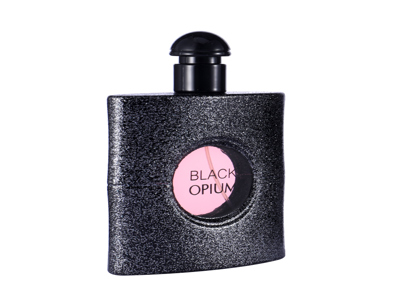
В мире массового производства и стандартизации, где всё кажется предсказуемым и однообразным, есть уголки, где время замедляется, и мастера вкладывают частичку своей души в каждый предмет. Один из таких уголков – это искусство ручного создания уникальных ароматных флаконов. Эти маленькие сосуды, наполненные не просто жидкостью, а историей, эмоциями и индивидуальностью, становятся не просто упаковкой для парфюма, а самостоятельными произведениями искусства. В этой статье мы погрузимся в мир ручного творчества, обсудим, как создаются эти шедевры, почему они так ценны, и как они влияют на наше восприятие запахов и эстетики.
В эпоху, когда машины могут производить миллионы идентичных предметов за считанные минуты, может показаться, что ручной труд устарел. Однако, именно в этом и заключается парадокс современности: чем больше автоматизации, тем выше ценится уникальность и человеческое прикосновение. Ручное создание флаконов – это не просто процесс, это философия. Это возвращение к истокам, где каждый шаг – от выбора материалов до финальной полировки – выполняется с любовью и вниманием к деталям. Такие флаконы не просто хранят аромат; они рассказывают историю, вызывают эмоции и становятся частью личного пространства своего владельца. Они – антитеза безликой массовости, напоминая нам о том, что истинная красота часто рождается в тишине мастерской, а не на конвейерной ленте.
Искусство создания сосудов для ароматов уходит корнями в глубокую древность. Ещё в Древнем Египте, Греции и Риме мастера изготавливали керамические и стеклянные флаконы вручную, украшая их intricate узорами и символами. Эти сосуды использовались не только для хранения благовоний, но и как предметы роскоши, демонстрирующие статус и вкус. В Средневековье, с развитием стеклодувного ремесла в Венеции и других центрах Европы, ручное производство флаконов достигло новых высот. Мастера создавали настоящие шедевры, часто инкрустированные драгоценными камнями или расписанные вручную. С приходом Промышленной революции в XVIII-XIX веках массовое производство начало вытеснять ручной труд, но именно тогда зародилось движение Arts and Crafts, которое подчёркивало ценность handmade изделий. Сегодня, в XXI веке, мы наблюдаем ренессанс ручного творчества. Люди, уставшие от однообразия, ищут уникальность, и ручные флаконы становятся символом этого стремления. Они соединяют прошлое и настоящее, напоминая, что некоторые вещи невозможно automate без потери души.
Выбор материалов – это первый и crucial шаг в создании ручного флакона. В отличие от массового производства, где используются стандартные пластмассы или дешёвое стекло, мастера отдают предпочтение натуральным и качественным материалам. Стекло – наиболее популярный выбор, благодаря своей прозрачности, durability и ability to be shaped. Художественное стекло, такое как муранское стекло из Италии, славится своими vibrant цветами и patterns, achieved through hand-mixing pigments and techniques like millefiori. Другие материалы включают керамику, которая позволяет создавать earthy, textured surfaces that can be hand-painted with glazes; металлы like brass or silver, which can be engraved or embossed; and even wood, for a rustic, organic feel. Each material has its own properties – glass is inert and doesn't interact with the fragrance, while ceramics can add a subtle earthy note if unglazed. Masters often source materials locally or from ethical suppliers, emphasizing sustainability. For example, recycled glass or reclaimed wood reduces environmental impact. The material not only defines the aesthetic but also the tactile experience – the weight, the coolness to the touch, the sound when set down. This attention to materiality is what makes handmade flacons feel alive and connected to nature, unlike their plastic counterparts that often feel cold and impersonal.
Процесс ручного создания флакона – это медленный, methodical танец между мастером и материалом. Он начинается с ideation и дизайна. Мастер рисует эскизы, учитывая not only the visual appeal but also functionality – how the bottle will be held, how the cap will seal, how the fragrance will be dispensed. Once the design is finalized, the real work begins. For glass flacons, glassblowing is a common technique. The master gathers molten glass on a blowpipe, shapes it by blowing and twisting, using tools like jacks and paddles to form the body, neck, and base. This requires immense skill – too much air, and the glass bursts; too little, and it doesn't form properly. The glass is then annealed in a kiln to relieve stresses and prevent cracking. For ceramics, the process involves hand-building or wheel-throwing the clay, allowing it to dry, bisque firing, glazing, and final firing. Each step is hands-on – the potter's fingers feel the clay's moisture and responsiveness. Metal flacons might involve casting, where molten metal is poured into a hand-carved mold, or fabrication, where sheets are cut, hammered, and soldered. Engraving or etching is done by hand with fine tools, adding personalized motifs or text. Throughout, quality control is constant – the master inspects for imperfections like bubbles in glass, cracks in clay, or uneven surfaces. This process can take days or even weeks for a single bottle, contrasting sharply with mass production where thousands are made in hours. But it's this slowness that imbues each piece with character – no two are exactly alike, with variations in color, shape, or texture that become its signature.
В центре этого процесса стоит мастер – художник, ремесленник, и often philosopher. Их skills are honed over years, often through apprenticeship, learning from elders and continuous practice. A glassblower, for instance, develops a deep understanding of heat and material behavior – they can "read" the glass, knowing when it's ready to be shaped. This intuition cannot be programmed into a machine. The master's personality shines through in their work – some prefer bold, geometric designs, while others lean towards fluid, organic forms. They make decisions on the fly, adapting to the material's whims. For example, if a glass piece develops an unexpected streak of color, the master might incorporate it into the design rather than discarding it. This human touch adds a layer of unpredictability and beauty. Moreover, many masters see their work as a form of meditation or storytelling. They might draw inspiration from nature, culture, or personal experiences, infusing the flacon with meaning. In an interview, a veteran ceramicist once said, "Each bottle I make carries a piece of my day – if I'm calm, the lines are smooth; if I'm passionate, the colors are intense." This emotional connection is palpable to the user, making the flacon more than an object but a bridge between creator and consumer. Supporting such artisans means preserving cultural heritage and encouraging creativity in a world that often prioritizes efficiency over expression.
Одна из главных причин, почему ручные флаконы так cherished, – их уникальность. В mass production, variation is seen as a defect, but in handmade work, it's a feature. Slight asymmetries, color shifts, or tool marks are not flaws but proof of human involvement. This makes each flacon one-of-a-kind, a true limited edition. For consumers, this exclusivity is appealing – it allows them to own something that nobody else has, reflecting their individuality. Personalization takes this further. Many artisans offer custom options – engraving initials, choosing specific colors, or even co-designing the shape with the client. This turns the flacon into a personal totem, perhaps commemorating a special occasion or representing a loved one's personality. In perfumery, where scent is highly personal, having a custom vessel enhances the experience. Imagine a flacon shaped like a favorite flower or colored to match one's eyes – it deepens the emotional bond with the fragrance. This level of customization is impossible in factories, where changeovers are costly and time-consuming. Thus, handmade flacons cater to a growing desire for products that tell a story and fit seamlessly into one's identity, rather than being mere commodities.
Дизайн ручного флакона – это delicate balance between aesthetics and functionality. Unlike industrial designs that often prioritize cost and ease of production, artisans focus on beauty and ergonomics. The shape must not only look pleasing but feel good in the hand – the curve of the bottle should fit naturally, the weight should be substantial but not heavy, the cap should open smoothly. Aesthetics are drawn from various influences – Art Deco might inspire geometric patterns, while Nature provides organic forms like waves or leaves. Color plays a huge role; hand-mixed pigments in glass or glazes create depths and variations that machine-made colors can't replicate. For instance, a handmade glass bottle might have a gradient from deep blue to clear, mimicking the ocean, while a ceramic one could have a crackle glaze that ages beautifully over time. The design also considers the fragrance inside – a light, citrusy scent might be housed in a clear, minimalist bottle to emphasize freshness, while a rich, oriental perfume could be in a dark, ornate vessel to suggest mystery. This thoughtful design enhances the user's experience, making each use a sensory ritual. Moreover, these flacons often become decorative objects when empty, displayed as art pieces. This multifunctionality adds value, transforming them from disposable containers to cherished possessions.
Ручные флаконы оказывают profound влияние на индустрию парфюмерии. Они поднимают восприятие аромата на новый уровень, делая его multisensory experience. Когда вы держите beautifully crafted bottle, your anticipation for the scent inside heightens; the visual and tactile elements prepare you for the olfactory journey. This is why luxury perfume brands often collaborate with artisans for limited editions – think of Guerlain's bee bottles or Lalique's crystal creations. These collaborations blur the line between perfume and art, attracting collectors and connoisseurs. For niche perfumers, handmade flacons are a way to stand out in a crowded market. They signal quality, craftsmanship, and a story that mass brands can't offer. This can justify higher price points, as consumers are willing to pay for authenticity and exclusivity. Additionally, handmade flacons promote sustainability. They are often made to last, using durable materials that can be refilled or repurposed, reducing waste compared to disposable plastic bottles. This aligns with the growing trend towards conscious consumerism. By choosing handmade, perfumers and consumers alike support a slower, more ethical production cycle that values people and planet over profit. Thus, these flacons are not just containers; they are catalysts for change in the industry, pushing it towards more meaningful and responsible practices.
С экономической точки зрения, ручное производство флаконов – это niche market, but it holds significant value. Artisans often operate small studios or workshops, contributing to local economies and preserving traditional crafts. In regions like Murano, Italy, or certain parts of France, glassblowing is a cultural heritage that attracts tourism and provides livelihoods. However, it faces challenges – high costs of materials and labor make handmade flacons expensive, limiting their accessibility. Yet, this very exclusivity can be a selling point, appealing to luxury consumers. Culturally, these flacons are ambassadors of craft. They keep alive techniques that might otherwise disappear, passing knowledge from generation to generation. They also foster community – many artisans participate in fairs, workshops, or online platforms, sharing their passion with others. In a globalized world, handmade items become symbols of cultural identity, reminding us of the diversity of human expression. For instance, a flacon made using ancient Japanese pottery techniques carries the ethos of wabi-sabi (beauty in imperfection), while one from Middle Eastern metalwork might reflect intricate geometric patterns rooted in Islamic art. By appreciating and purchasing these flacons, we not only acquire a beautiful object but also support cultural continuity and diversity.
Несмотря на растущий интерес, ручное производство сталкивается с несколькими challenges. Основной – это конкуренция с дешёвыми mass-produced alternatives. Many consumers prioritize price over quality, making it hard for artisans to compete. Additionally, the skills required are difficult to master, leading to a shortage of young people entering the field – it's easier to choose a desk job than spend years apprenticing in a hot glass studio. Economic pressures, such as rising costs of materials and energy, further squeeze profits. However, the future is not bleak. Technology can be an ally – for example, digital tools like 3D modeling can help in design phase, while social media allows artisans to reach global audiences directly. Crowdfunding platforms enable them to finance projects without relying on big investors. There's also a growing movement towards "slow fashion" and artisanal products, driven by consumers seeking authenticity. To thrive, artisans might diversify – offering workshops, selling online, or collaborating with brands. Education is key; initiatives that teach crafts in schools can inspire new generations. Ultimately, the future of handmade flacons depends on our collective choice to value craftsmanship over convenience. As we become more aware of the environmental and social costs of mass production, the appeal of handmade items will only grow, ensuring that this beautiful art form continues to evolve and inspire.
В заключение, ручное создание уникальных ароматных флаконов – это больше чем ремесло; это testament to human creativity, patience, and connection to materials. These flacons are not just vessels for scent; they are stories in glass, clay, or metal, waiting to be held and admired. They remind us that in a fast-paced world, there is beauty in slowness, value in imperfection, and joy in owning something made with care. As consumers, we have the power to support this art form by choosing handmade over mass-produced, by valuing quality over quantity, and by sharing the stories behind these pieces. Whether you're a perfumer looking to elevate your brand or an individual seeking a special gift, consider investing in a handmade flacon. It might cost more, but it offers something priceless – a touch of humanity in every drop. Let's celebrate and preserve this exquisite art, ensuring that future generations can experience the magic of a bottle made not by machines, but by hands that care.
Спасибо, что прочитали эту статью. Если вы inspired, seek out local artisans or online marketplaces like Etsy to explore handmade flacons. Your support keeps this tradition alive.
Предыдущая статья: Скидки на парфюмерные флаконы до 50 сэкономьте сейчас
Следующий пост: Новинка парфюмов флаконы роскошь