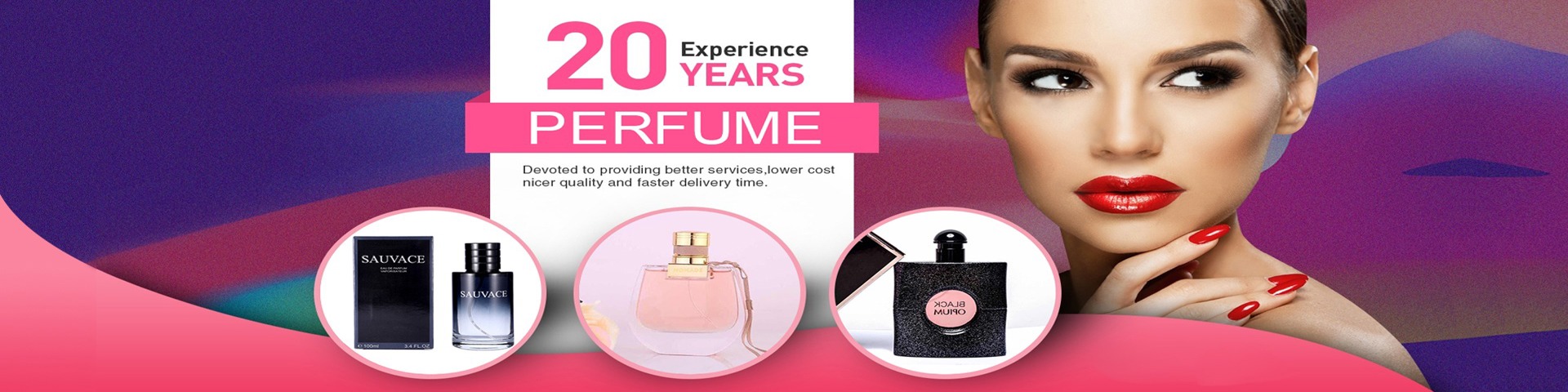
Спрос на парфюмерные флаконы растет взрывными темпами
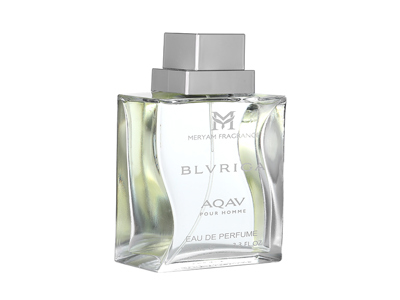
В последние годы мировая индустрия парфюмерии переживает настоящую революцию, и одним из самых ярких проявлений этого является взрывной рост спроса на парфюмерные флаконы. Эти небольшие, но значимые объекты превратились из простых контейнеров для ароматов в ключевые элементы брендинга, искусства и потребительского опыта. Спрос на них увеличивается с беспрецедентной скоростью, driven by a combination of factors including changing consumer preferences, technological advancements, and a renewed focus on sustainability. В этой статье мы глубоко погрузимся в причины этого бума, его последствия для рынка и будущие тенденции, которые продолжат формировать эту динамичную отрасль.
Парфюмерные флаконы имеют богатую историю, уходящую корнями в древние цивилизации. В Древнем Египте ароматы хранились в керамических сосудах, часто украшенных intricate designs, symbolizing luxury and spirituality. В эпоху Возрождения стеклодувное искусство позволило создавать более изящные и decorative flacons, которые стали статусными символами среди аристократии. К XIX веку, с industrial revolution, массовое производство сделало парфюмерию более доступной, но флаконы оставались относительно простыми. Однако в XX веке, с rise of iconic brands like Chanel and Guerlain, дизайн флаконов стал неотъемлемой частью маркетинга. Например, флакон Chanel No. 5, созданный в 1920-х годах, remains a timeless classic, embodying elegance and modernity. This historical evolution set the stage for today's boom, where flacons are not just containers but storytellers and art pieces.
Several key factors are contributing to the surge in demand for perfume flacons. First, changing consumer behavior: modern consumers, especially millennials and Gen Z, value experiences and aesthetics over mere functionality. They are willing to pay premium prices for beautifully designed flacons that reflect their personal style and values. Social media platforms like Instagram and TikTok have amplified this trend, with unboxing videos and aesthetic posts showcasing flacons as must-have accessories. Second, innovation in materials and technology: advancements in glassmaking, 3D printing, and sustainable materials have enabled the creation of more intricate, customizable, and eco-friendly flacons. Brands are experimenting with shapes, colors, and textures to stand out in a crowded market. Third, the rise of niche and artisanal perfumery: small brands focus on uniqueness and craftsmanship, often using hand-blown glass or limited-edition flacons to attract discerning customers. This has created a subculture of collectors who seek rare and exclusive pieces. Fourth, economic factors: the global perfume market is expanding, with increased disposable income in emerging economies driving demand for luxury goods, including high-end flacons. According to market research, the global perfume packaging market is expected to grow at a CAGR of over 5% in the coming years, with flacons being a significant contributor.
The booming demand for flacons is reshaping the perfume industry in profound ways. For brands, it has become a critical aspect of differentiation and branding. A well-designed flacon can elevate a perfume from a mere product to a cultural icon, fostering brand loyalty and word-of-mouth marketing. Companies are investing heavily in design teams and collaborations with artists to create flacons that tell a story and evoke emotions. This has led to increased production costs, but the回报 in terms of sales and brand equity is substantial. Retailers are also adapting, with dedicated sections for flacon collections and experiential stores where customers can interact with the packaging. Moreover, the supply chain is evolving: manufacturers of flacons are experiencing unprecedented orders, leading to innovations in logistics and production efficiency. However, challenges such as supply chain disruptions and rising material costs are emerging, forcing the industry to adopt more resilient strategies. Environmental considerations are also at the forefront, with brands striving to balance aesthetics with sustainability by using recycled materials and reducing packaging waste.
Current trends in flacon design reflect the broader cultural shifts towards personalization, sustainability, and technology. Minimalist designs are popular among consumers seeking elegance and simplicity, often featuring clean lines and neutral colors. Conversely, maximalist and artistic flacons are gaining traction, with bold shapes, vibrant hues, and intricate details that serve as conversation starters. Customization is a major trend: brands offer personalized flacons with engraved names or unique colors, catering to the desire for individuality. Sustainable innovations include the use of bio-based plastics, recycled glass, and refillable systems that reduce environmental impact. For instance, some brands have introduced refill stations in stores, allowing customers to reuse their favorite flacons. Technological integrations are emerging, such as smart flacons with QR codes that provide information about the scent's origin or augmented reality features that enhance the unboxing experience. These innovations not only meet consumer demands but also open new revenue streams for brands.
Understanding consumer psychology is crucial to explaining the demand surge. Perfume flacons tap into deep-seated human desires for beauty, status, and self-expression. Research shows that attractive packaging can significantly influence purchasing decisions, with up to 70% of consumers admitting that packaging design affects their choice of perfume. The flacon serves as a tangible representation of the scent's identity; for example, a floral perfume might come in a delicate, curved flacon, while a woody scent might feature a robust, angular design. This sensory connection enhances the overall experience, making the product more memorable and shareable. Additionally, in an era of digital saturation, physical objects like flacons provide a sense of authenticity and luxury that consumers crave. The collectibility aspect also plays a role: limited-edition flacons create a sense of urgency and exclusivity, driving impulse purchases and fostering a community of enthusiasts who trade and showcase their collections online.
From an economic perspective, the growth in flacon demand is supported by robust market data. The global perfume market was valued at over $30 billion in 2023 and is projected to reach $40 billion by 2030, with packaging accounting for a significant portion of this growth. Regionally, North America and Europe are mature markets with high demand for premium flacons, while Asia-Pacific is the fastest-growing region, driven by rising middle-class populations and increasing awareness of luxury brands. In terms of segments, luxury and niche perfumes exhibit the highest growth rates for elaborate flacons, with price points often exceeding $200 for the bottle alone. Market analysis indicates that investments in flacon design yield high returns; for instance, brands that launched redesigned flacons saw sales increases of up to 20% in the following year. However, economic volatility, such as inflation and supply chain issues, poses risks, necessitating agile business strategies. Companies are diversifying their supplier base and exploring local production to mitigate these challenges.
Sustainability is becoming a central concern in the flacon industry, influencing both demand and production practices. Consumers are increasingly eco-conscious, preferring brands that demonstrate environmental responsibility. This has led to a rise in demand for flacons made from recycled materials, such as glass from post-consumer waste or biodegradable plastics. Brands are adopting circular economy principles, offering refill programs where customers can purchase perfume refills at a lower cost and reuse their existing flacons. For example, L'Occitane en Provence has implemented a successful refill system for its perfumes, reducing packaging waste by up to 90%. Innovations like lightweighting—reducing the amount of material used in flacons without compromising durability—are also gaining traction. However, challenges remain, such as the higher cost of sustainable materials and the need for consumer education on recycling practices. The industry is responding with certifications like Forest Stewardship Council (FSC) for paper packaging and collaborations with environmental organizations to promote greener initiatives.
Looking ahead, the demand for perfume flacons is expected to continue its explosive growth, driven by ongoing trends and emerging opportunities. Technological advancements will play a key role: augmented reality (AR) and virtual reality (VR) could allow customers to visualize flacons in their homes before purchasing, enhancing online shopping experiences. Smart packaging with embedded sensors might monitor usage and suggest refills, adding convenience and personalization. The rise of digital nomads and travel-friendly products could lead to innovations in compact, durable flacons designed for on-the-go lifestyles. Additionally, as sustainability becomes non-negotiable, we can expect more brands to adopt cradle-to-cradle designs, where flacons are fully recyclable or compostable. Collaborations between perfumers and tech companies might yield groundbreaking designs, such as flacons that change color with temperature or mood. Market expansion into untapped regions, like Africa and Latin America, will further fuel demand. Ultimately, the flacon of the future will be a blend of art, technology, and ethics, continuing to captivate consumers and drive the perfume industry forward.
В заключение, взрывной рост спроса на парфюмерные флаконы является multifaceted phenomenon, rooted in historical evolution, consumer psychology, and technological innovation. Это не просто trend, а fundamental shift in how perfumes are perceived and consumed. Флаконы transformed from functional items to symbols of identity, artistry, and sustainability. Для брендов это представляет как opportunities, так и challenges, requiring creativity and adaptability. Как индустрия продолжает развиваться, one thing is clear: the humble perfume flacon will remain at the heart of the olfactory experience, captivating senses and driving commerce for years to come. Embrace this boom—whether you're a consumer, designer, or entrepreneur—and be part of the exciting journey ahead.
Предыдущая статья: Как выбрать качественные флаконы для духов
Следующий пост: Преимущества флакона для духов которые вы должны знать сегодня