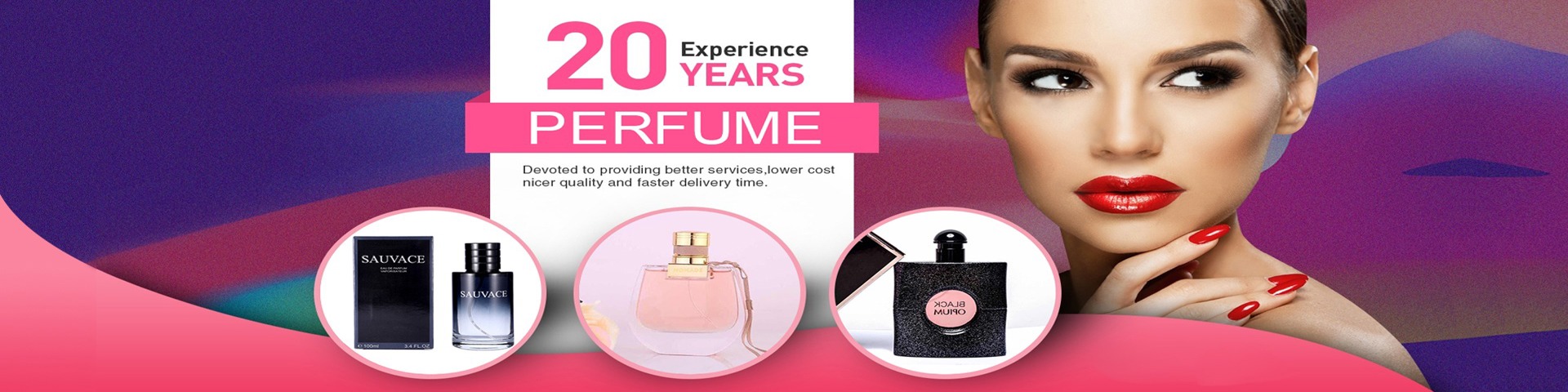
Искусство флаконов раскрывающее вашу индивидуальность
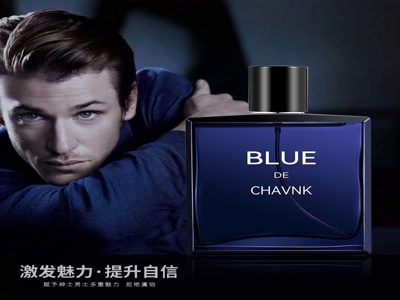
В мире, где внешний вид и первое впечатление играют ключевую роль, парфюмерия занимает особое место. Но задумывались ли вы когда-нибудь о том, что флакон, в котором хранится ваш любимый аромат, — это не просто емкость, а настоящее произведение искусства, способное рассказать о вас больше, чем вы могли бы представить? Искусство флаконов — это тонкое и глубокое явление, которое выходит за рамки простого дизайна. Оно воплощает в себе историю, эмоции, культуру и, что самое важное, индивидуальность каждого человека. В этой статье мы погрузимся в мир флаконов, исследуя, как они стали неотъемлемой частью нашего самовыражения и почему выбор определенного флакона может раскрыть вашу уникальную сущность.
История парфюмерных флаконов уходит корнями в глубокую древность. Еще в Древнем Египте и Месопотамии люди использовали специальные сосуды для хранения ароматических масел и благовоний. Эти ранние флаконы часто изготавливались из глины, стекла или драгоценных металлов и украшались intricate узорами, отражающими статус и beliefs их владельцев. Например, в Древнем Египте флаконы для парфюмерии были не просто utilitarian objects; они считались священными предметами, связанными с богами и загробной жизнью. Формы и украшения этих сосудов могли указывать на социальное положение: фараоны использовали elaborately decorated флаконы из золота и lapis lazuli, в то время как простые люди довольствовались более скромными вариантами. Это раннее проявление искусства флаконов уже демонстрировало, как дизайн может отражать индивидуальность — в данном случае, через призму социальной иерархии и духовности.
С течением веков искусство флаконов эволюционировало, особенно с развитием стеклодувного ремесла в Венеции и других европейских центрах в Средние века. Венецианские мастера создавали изысканные glass флаконы, которые стали символами роскоши и refinement. Эти изделия часто украшались цветными enamel и gold leaf, превращая их в настоящие художественные шедевры. В эпоху Возрождения, с её emphasis на humanism и beauty, флаконы стали более изящными и personal, отражая растущий interest в индивидуальности. Например, богатые семьи заказывали custom-made флаконы с their coats of arms или портретами, что подчеркивало их уникальность и status. Это было началом того, как флаконы начали служить не только для хранения ароматов, но и как средство self-expression.
Переход к современной эпохе принес революцию в искусство флаконов, особенно с появлением массового производства в XIX веке. Изобретение pressed glass и новых techniques позволило создавать более доступные, но все равно красивые флаконы. Однако именно в XX веке, с rise of luxury брендов like Chanel, Dior, and Guerlain, флаконы стали настоящими iconами дизайна. Возьмем, к примеру, легендарный флакон Chanel No. 5, созданный в 1921 году. Его minimalist, rectangular design с simple label стал символом modern elegance и sophistication. Этот флакон не просто содержал аромат; он communicated идею простоты и класса, которая resonated с женщинами, стремившимися к independence и style в послевоенную эпоху. Выбор такого флакона мог сказать о человеке, что он ценит timeless beauty и understated luxury — aspects их индивидуальности.
Но что именно делает флакон искусством, раскрывающим индивидуальность? Прежде всего, это дизайн. Каждый элемент флакона — форма, цвет, материал, texture — несет в себе symbolic meaning. Например, rounded, curvaceous флаконы often ассоциируются с femininity, softness, and emotion, в то время как angular, geometric designs могут evoke masculinity, strength, and modernity. Цвета играют crucial role: прозрачное стекло suggests purity and transparency, тогда как colored glass или metallic finishes могут indicate luxury, mystery, or playfulness. Materials тоже важны; glass conveys fragility and elegance, crystal — opulence, а plastic — practicality and accessibility. Когда вы выбираете флакон, вы subconsciously select these attributes that align with your self-image or aspirations.
Психология behind выбора флаконов fascinating. Studies в области consumer behavior показывают, что люди often выбирают products based on how они perceive themselves or how они want to be perceived. В случае парфюмерии, флакон serves как visual cue that triggers emotional responses. Например, человек, который values tradition and heritage, might be drawn to флаконы с vintage designs or historical references, such as those from brands like Guerlain or Hermès. Это отражает их individualность как someone who appreciates history and continuity. On the other hand, someone who is innovative and forward-thinking might prefer флаконы с avant-garde designs, like those from Comme des Garçons or Byredo, which communicate creativity and non-conformity.
Moreover, флаконы can reveal aspects of your personality through their storytelling. Many luxury brands invest heavily in creating narratives around their flacons. Take, for instance, the flacon for Jean Paul Gaultier's Classique, shaped like a woman's torso. This design not only captures attention but also tells a story of femininity, empowerment, and playfulness. Choosing such a flacon might indicate that you are confident, bold, and unafraid to challenge norms—a key part of your individuality. Similarly, flacons from niche brands often emphasize authenticity and artisanal craftsmanship, appealing to those who value uniqueness and depth over mass appeal.
В современном мире, где sustainability and ethics become increasingly important, флаконы тоже evolving to reflect these values. Brands are introducing refillable flacons, eco-friendly materials, and minimalist designs that reduce waste. Choosing such a flacon can reveal your individuality as environmentally conscious and socially responsible. For example, L'Occitane en Provence offers refillable flacons for their fragrances, allowing consumers to reduce plastic usage. By opting for this, you not only enjoy the aroma but also express your commitment to the planet—a profound aspect of who you are.
Но искусство флаконов не limited to luxury or niche markets; it permeates all levels of парфюмерии. Even drugstore brands like Dove or Nivea have flacons that, while simpler, still communicate certain values—practicality, affordability, and everyday reliability. Your choice here might indicate a no-nonsense, pragmatic individuality that prioritizes function over form. This democratization of design means that everyone, regardless of budget, can find a flacon that resonates with their identity.
Furthermore, the cultural context plays a significant role in how flacons reveal individuality. In different parts of the world, preferences for flacon designs vary based on cultural norms and aesthetics. For instance, in East Asia, there is a preference for minimalist, elegant flacons that reflect values of harmony and subtlety, such as those from Shiseido or Amorepacific. In contrast, in the Middle East, flacons often feature opulent designs with intricate patterns and gold accents, mirroring the region's love for luxury and tradition. Your cultural background influences your choice, thereby revealing a layer of your individuality tied to heritage and community.
Personal experiences and memories also shape our connection to flacons. Perhaps you associate a particular flacon with a significant life event—a gift from a loved one, a vacation, or a milestone. This emotional attachment makes the flacon more than just an object; it becomes a repository of your personal history. For example, if you always use a flacon from a brand your grandmother loved, it might signify your respect for family traditions and sentimental values, showcasing a nostalgic aspect of your individuality.
In the digital age, where social media and online shopping dominate, the visual appeal of flacons has become even more critical. Instagram-worthy flacons from brands like Glossier or Diptyque are designed to be photogenic, encouraging users to share them online. This trend highlights how flacons can serve as tools for self-presentation in the virtual world. Choosing a flacon that looks good in photos might indicate that you are style-conscious and engaged with contemporary trends—a modern facet of your individuality.
However, it's essential to recognize that the art of flacons is not just about outward appearance; it's also about the interaction between the flacon and the fragrance inside. The design should complement the scent, creating a holistic experience. For instance, a fresh, citrusy fragrance might be housed in a light, transparent flacon to evoke clarity and energy, while a deep, woody scent could be in a dark, heavy flacon to suggest mystery and depth. This synergy ensures that the flacon authentically represents the aroma and, by extension, the user's preferences and personality.
Looking ahead, the future of flacon art is likely to embrace technology and personalization. With advancements like 3D printing, brands can offer custom-made flacons tailored to individual tastes. Imagine being able to design your own flacon shape or engrave it with personal motifs—this would take self-expression to new heights, allowing your individuality to shine through in every detail. Additionally, smart flacons with embedded sensors could adjust fragrance release based on your mood or environment, further personalizing the experience.
In conclusion, the art of flacons is a multifaceted phenomenon that goes beyond mere aesthetics. It is a powerful medium through which we express our individuality, reflecting our values, experiences, culture, and aspirations. From ancient times to the modern era, flacons have evolved to become intimate companions in our journey of self-discovery. Whether you prefer a classic design that speaks of elegance or an innovative one that shouts creativity, your choice of flacon tells a story about who you are. So next time you pick up a perfume bottle, take a moment to appreciate the artistry—it might just reveal something new about yourself.
Ultimately, embracing the art of flacons is about celebrating uniqueness in a world that often promotes conformity. It encourages us to think deeper about how we present ourselves to the world and how the objects we choose become extensions of our identity. As the famous perfumer Jacques Polge once said, 'A flacon is the first hello of a fragrance.' Let that hello be as authentic and individual as you are.
Предыдущая статья: Раскройте тайну аромата с уникальным дизайном флакона
Следующий пост: Воплощение роскоши уникальная коллекция инкрустированных флаконов духов