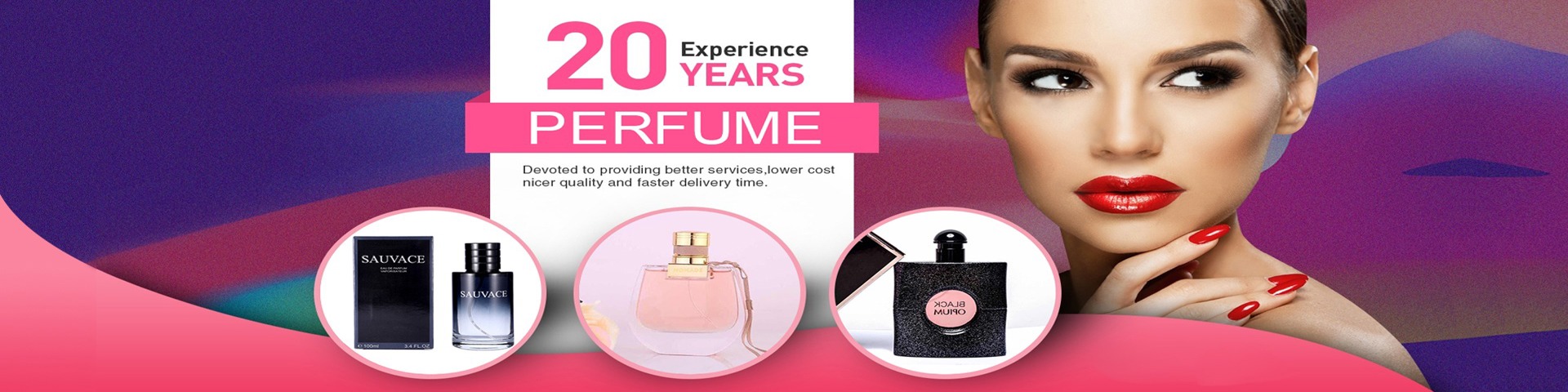
Уникальные ароматы в бутылках с текстурой для искушенных ценителей
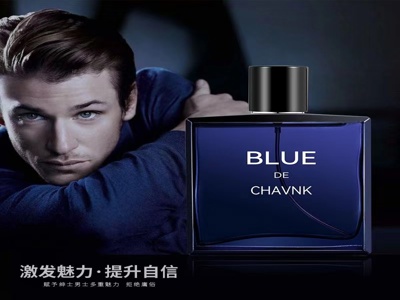
В мире парфюмерии, где каждый аромат рассказывает свою историю, бутылка становится не просто сосудом, а произведением искусства. Для искушенных ценителей, которые ищут не только запах, но и полный сенсорный опыт, текстура бутылки играет ключевую роль. Она добавляет тактильное измерение, превращая обычное использование духов в ритуал изысканности. В этой статье мы углубимся в то, как уникальные ароматы сочетаются с текстурными бутылками, создавая неповторимый симбиоз для тех, кто ценит детали.
Парфюмерия – это не просто наука о запахах; это искусство, которое затрагивает все чувства. С древних времен человечество использовало ароматы для выражения эмоций, статуса и культуры. Однако в современную эпоху, с ростом конкуренции и изобилия выбора, парфюмерные дома стали уделять больше внимания не только содержимому, но и упаковке. Бутылка с уникальной текстурой – это первый физический контакт потребителя с продуктом, и она может значительно повлиять на восприятие аромата.
Для искушенных ценителей, которые часто коллекционируют духи как предметы искусства, текстура бутылки становится частью нарратива. Она может отражать характер аромата: гладкая и блестящая поверхность может символизировать элегантность и легкость, в то время как грубая, матовая текстура может передавать силу и земной шарм. Это тонкое взаимодействие между визуальным и тактильным опытом усиливает эмоциональную связь с продуктом, делая его более запоминающимся и желанным.
В этой статье мы рассмотрим, как текстура бутылки влияет на восприятие ароматов, обсудим исторические и современные примеры, и предложим insights для тех, кто хочет углубить свое понимание парфюмерного мира. Мы также затронем психологические аспекты, такие как то, как текстура может evoke определенные эмоции и ассоциации, и как это используется в маркетинге для целевой аудитории искушенных ценителей.
Чтобы понять значимость текстуры в современных бутылках, полезно оглянуться назад на историю парфюмерии. В древности ароматы хранились в простых сосудах из глины, стекла или металла, часто без особого внимания к текстуре. Однако с развитием ремесла в Европе, особенно в Франции 18-го века, парфюмерные бутылки стали объектами роскоши. Мастера-стеклодувы создавали intricate designs с рельефными узорами, которые не только украшали, но и предоставляли тактильное удовольствие.
Например, в эпоху Ар-Нуво и Ар-Деко, бутылки для духов стали настоящими произведениями искусства с замысловатыми текстурами, имитирующими природные формы, такие как цветы или животные. Это было время, когда парфюмерия ассоциировалась с haute couture, и бутылка служила extension бренда. Для искушенных ценителей того времени, обладание такой бутылкой было символом статуса и изысканного вкуса.
В 20-м веке, с advent массового производства, дизайн бутылок стал более стандартизированным, но все же некоторые бренды, такие как Chanel или Guerlain, продолжали экспериментировать с текстурой. Сегодня, в эпоху sustainability и персонализации, текстура бутылки снова набирает популярность как способ differentiation. Современные технологии, например, 3D-печать или использование recycled materials, позволяют создавать уникальные текстуры, которые appeal к eco-conscious потребителям.
Это историческое развитие показывает, что текстура бутылки всегда была частью парфюмерного опыта, но ее роль эволюционировала от pure decoration к integral component брендинга и consumer engagement.
Человеческий мозг обрабатывает информацию мультисенсорно, и текстура бутылки может значительно влиять на то, как мы воспринимаем аромат. Исследования в области sensory marketing показывают, что тактильные ощущения могут enhance или alter ожидания от продукта. For instance, грубая текстура might associate с earthy или woody ароматами, в то время как гладкая текстура might complement floral или citrus ноты.
Для искушенных ценителей, которые often проводят время, оценивая духи перед покупкой, текстура бутылки становится part of the ritual. Держа бутылку в руках, они subconsciously формируют мнение о качестве и характере аромата. Это phenomenon известно как «haptic feedback» – идея о том, что tactile sensations can influence cognitive judgments. В парфюмерии, это означает, что бутылка с приятной текстурой can make the fragrance seem more premium и desirable.
Кроме того, текстура can evoke emotional responses. Например, бархатистая текстура might feel luxurious и comforting, associating с warm, spicy ароматами, в то время как холодная, гладкая поверхность might evoke freshness и lightness, ideal для summer scents. Маркетологи используют это, чтобы target specific demographics; например, бутылки с matte texture might appeal к minimalist ценителям, которые ценят understated elegance.
В целом, understanding psychology behind texture can help consumers make more informed choices и appreciate the artistry behind their favorite fragrances. It also encourages brands to innovate in design, creating bottles that are not only functional but also emotionally resonant.
В contemporary парфюмерной индустрии, текстура бутылки стала площадкой для innovation и creativity. С rise of niche perfumery, многие бренды focus на unique packaging чтобы stand out в crowded market. One popular trend is the use of sustainable materials with natural textures, such as bamboo, cork, or recycled glass that retains imperfections for a rustic feel.
Another trend is the incorporation of technology; for example, some brands use embossing или laser etching to create intricate patterns that are both visual и tactile. These designs often tell a story related to the fragrance's inspiration, such as geometric patterns for modern scents или organic shapes for nature-inspired perfumes. For искушенных ценителей, this adds a layer of depth и collectibility to the product.
Personalization is also key. Brands like Byredo или Le Labo offer customizable bottles where customers can choose textures или add personal engravings, making the experience more intimate. This appeals to those who see perfumes as an extension of their identity и want something truly unique.
Moreover, there's a growing emphasis on inclusivity; textures that are easy to grip или designed for accessibility, such as for people with visual impairments, are becoming more common. This shows how texture is not just about aesthetics but also about functionality и social responsibility.
These trends indicate that texture in perfume bottles is evolving beyond mere decoration to become a core element of brand identity и consumer experience, catering to the discerning tastes of modern connoisseurs.
Чтобы illustrate the importance of texture, let's look at some notable examples from the perfume world. Chanel's No. 5 bottle, with its simple yet iconic rectangular design and smooth glass, has a texture that feels timeless и elegant, reflecting the classic nature of the fragrance. In contrast, Tom Ford's Private Blend line often features bottles with heavy, faceted glass that has a substantial, luxurious texture, appealing to those who value opulence.
Another example is Jo Malone London, which uses minimalist bottles with a slight matte finish, giving a modern и clean feel that complements their fresh, straightforward scents. For more avant-garde brands, like Maison Francis Kurkdjian, textures can be more experimental, such as bottles with ribbed или frosted surfaces that add a tactile dimension to the olfactory experience.
Niche brands often excel in this area. For instance, Byredo's bottles have a sleek, slightly textured surface that feels premium и understated, while Xerjoff incorporates precious materials like crystal или metal accents for a decadent touch. These choices are deliberate, aimed at enhancing the narrative of the fragrance и attracting a specific audience of connoisseurs.
Through these case studies, we see how texture is used strategically to communicate brand values, enhance perceived quality, и create a memorable unboxing experience that resonates with искушенные ценители.
For consumers, especially those new to the world of fine perfumery, understanding how to use texture as a guide can be helpful. While the fragrance itself should always be the primary factor, the texture of the bottle can provide clues about its character. Here are some tips: if you prefer warm, spicy scents, look for bottles with rich, textured surfaces like wood grain или embossed patterns; for fresh, aquatic fragrances, smooth, glossy textures might be more appropriate.
It's also important to consider personal preferences. Do you enjoy the feel of heavy, substantial bottles that convey luxury, or do you prefer lightweight, ergonomic designs for practicality? Testing the bottle in person can reveal a lot about the overall experience. Many high-end stores allow customers to handle the bottles, so take advantage of that to assess the texture.
Additionally, read reviews или research the brand's philosophy. Often, the texture is part of a larger story; for example, a brand focusing on sustainability might use recycled glass with a raw texture, which could align with your values. For искушенные ценители, this holistic approach to selection ensures that every aspect of the perfume – from scent to packaging – meets their standards.
Ultimately, choosing based on texture should complement, not override, your olfactory preferences. It's about finding a harmony between all senses to fully appreciate the artistry behind the fragrance.
В заключение, текстура бутылки для духов – это much more than a superficial feature; it is an integral part of the sensory journey that defines luxury perfumery. For искушенные ценители, it adds depth, emotion, и context to the aromatic experience, making each bottle a treasure to behold и touch. As trends continue to evolve towards sustainability, personalization, и technological innovation, we can expect to see even more creative uses of texture in the future.
Brands that prioritize this aspect will likely gain a competitive edge, appealing to consumers who seek authenticity и engagement. Whether through traditional craftsmanship or modern techniques, texture will remain a key differentiator in the world of unique ароматы.
We encourage readers to explore this facet of perfumery, to not only smell but also feel the stories behind their favorite scents. By doing so, you can elevate your appreciation from mere consumption to true connoisseurship.
Спасибо за чтение, и may your next fragrance purchase be a multisensory delight!
Предыдущая статья: невероятная герметичность для сохранения аромата ваших духов
Следующий пост: Подарок аромата вечной любви в бутылке