Аромат в каждом штрихе текстуры флакона
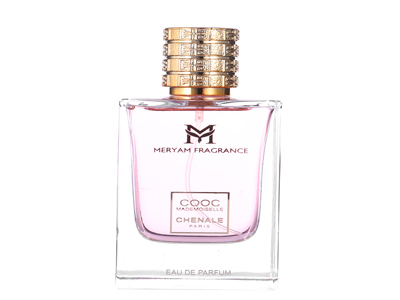
В мире парфюмерии аромат часто является звездой шоу, но что, если я скажу вам, что флакон — это не просто сосуд, а неотъемлемая часть опыта? Текстура флакона, ее шероховатость или гладкость, вес и форма — все это тонко влияет на то, как мы воспринимаем запах внутри. Эта статья углубляется в искусство и науку дизайна флаконов, исследуя, как каждый штрих текстуры усиливает эмоциональную связь с ароматом, превращая обычный продукт в предмет люкса и самовыражения.
Парфюмерия — это многомиллиардная индустрия, где конкуренция fierce. Бренды постоянно ищут способы выделиться, и упаковка играет ключевую роль. Флакон — это первое, что видит потребитель, и его текстура может мгновенно передать сообщение о качестве, роскоши или инновациях. Например, матовая текстура может ассоциироваться с современностью и изысканностью, в то время как глянцевая поверхность screams классическая элегантность. Но это не просто визуальный аспект; тактильное ощущение при касании флакона активирует сенсорные рецепторы, усиливая ожидание и наслаждение от аромата. Исследования в области нейромаркетинга показывают, что мультисенсорный опыт — включая touch — значительно повышает вовлеченность и лояльность бренду. В этой статье мы рассмотрим историю дизайна флаконов, психологические аспекты текстуры, примеры успешных брендов и будущие тенденции, демонстрируя, что аромат действительно живет в каждом штрихе.
С древних времен люди использовали сосуды для хранения ароматов. В Древнем Египте парфюмерия хранилась в intricately carved alabaster jars, чья текстура символизировала божественность и богатство. Быстрый переход к 19 веку, с промышленной революцией, массовое производство стекла позволило создать более стандартизированные флаконы, но именно Art Nouveau и Art Deco movements 20-го века принесли текстуру на передний план. Дизайнеры like René Lalique использовали рельефные узоры и матовые finishes, чтобы превратить флаконы в произведения искусства. Например, флакон для духов «Shalimar» от Guerlain, представленный в 1925 году, features a textured, oriental-inspired design that evokes the exoticism of the scent. В 1980-х годах minimalism took over, with smooth, glossy bottles from brands like Calvin Klein, emphasizing simplicity. Однако в 21 веке мы видим возрождение текстуры как средства дифференциации. Бренды экспериментируют с материалами: от матового стекла и металла до керамики и даже дерева, каждый добавляя уникальное тактильное измерение. Этот исторический journey показывает, что текстура всегда была инструментом storytelling, connecting the past with present innovations.
Человеческий мозг wired to respond to textures in profound ways. Гладкие поверхности often associated with safety and calmness, while rough textures can evoke excitement or unease. В парфюмерии, текстура флакона может subconsciously shape expectations about the fragrance. For instance, a bottle with a ribbed texture might suggest a bold, spicy scent, whereas a silky smooth one hints at something soft and floral. Studies in sensory marketing indicate that tactile inputs can enhance memory recall; touching a textured bottle makes the scent experience more memorable. Кроме того, текстура может влиять на восприятие качества: research shows that consumers perceive products in textured packaging as more premium and authentic. Brands leverage this by designing bottles that feel expensive to the touch, even if the cost is minimal. Emotionally, texture can trigger nostalgia or desire; think of the cold, metallic feel of a vintage-inspired bottle evoking memories of a bygone era. By understanding these psychological mechanisms, brands can craft flacons that not only hold scent but also tell a story and stir emotions, making the product irresistible.
Рассмотрим несколько примеров, где текстура сыграла pivotal role. Chanel No. 5 — iconic squared bottle with a minimalist design, but its slightly frosted glass adds a subtle texture that whispers luxury and timelessness. Contrast this with Tom Ford's Black Orchid flacon, which features a heavy, ribbed glass that feels substantial and dark, mirroring the scent's mysterious allure. Another example is Byredo, known for its apothecary-style bottles with matte finishes; the texture here communicates modernity and simplicity, appealing to millennials. In the niche segment, Maison Francis Kurkdjian uses intricate embossing on their bottles, creating a tactile experience that enhances the artisanal quality of their fragrances. Эти бренды понимают, что текстура — это не decoration, а strategic element that aligns with brand identity. Анализ продаж показывает, что продукты с уникальной текстурой often have higher perceived value and customer retention. For instance, limited edition releases with special textures, like Dior's J'adore flacons with engraved patterns, frequently sell out quickly, demonstrating consumer appetite for tactile innovation.
Looking ahead, текстура флаконов будет evolve with technology and sustainability concerns. 3D printing allows for custom textures that were previously impossible, enabling personalized flacons based on consumer preferences. Smart packaging with embedded sensors could change texture in response to environment or usage, adding an interactive layer. However, the biggest shift is towards eco-friendly materials; brands are experimenting with textures from recycled glass, bioplastics, or even mushroom-based composites that offer unique tactile feels while reducing environmental impact. For example, Lush Cosmetics uses minimalist, textured bottles made from recycled materials, appealing to conscious consumers. Additionally, virtual and augmented reality might allow consumers to 'feel' textures digitally before purchase, bridging the gap between online and offline experiences. These trends highlight that texture will continue to be a key differentiator, but with a focus on innovation and responsibility. Brands that embrace this will not only captivate senses but also contribute to a greener future.
В заключение, текстура флакона — это мощный инструмент, который transform парфюмерию из простого продукта в immersive experience. От исторических корней до современных инноваций, каждый штрих текстуры усиливает аромат, создавая глубокую эмоциональную связь с потребителем. Как бренды, важно инвестировать в дизайн, который engages multiple senses, and as consumers, we should appreciate the artistry behind every bottle. В будущем, с advancements in technology and a push for sustainability, текстура will remain at the forefront of perfume branding. So next time you pick up a flacon, take a moment to feel its texture — because in that touch, you might just discover a new layer of the fragrance within.
Предыдущая статья: Насладитесь совершенством каждого распыления аромата
Следующий пост: Почему духи вытекают и как это предотвратить навсегда