парфюмерный флакон как искусство дизайна в каждом движении
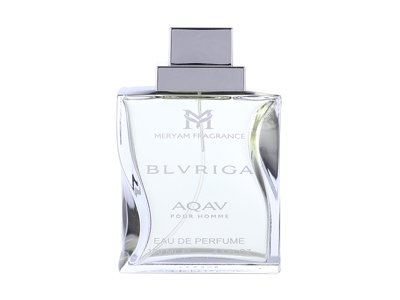
В мире парфюмерии аромат часто занимает центральное место, привлекая внимание своим сложным букетом нот и способностью вызывать эмоции. Однако, если закрыть глаза и представить себе духи, первое, что приходит на ум, — это не запах, а образ изящного флакона, который хранит в себе эту магию. Парфюмерный флакон — это не просто емкость для жидкости; это произведение искусства, воплощение дизайнерского гения, которое рассказывает историю, выражает эмоции и становится символом роскоши и утонченности. В этой статье мы погрузимся в многогранный мир парфюмерных флаконов, исследуя, как каждый элемент их дизайна — от формы и материала до деталей и упаковки — превращает их в истинные шедевры, достойные восхищения и коллекционирования.
История парфюмерных флаконов уходит корнями в глубокую древность. Еще в цивилизациях Древнего Египта и Месопотамии люди использовали сосуды из керамики, стекла и драгоценных металлов для хранения ароматических масел и благовоний. Эти ранние контейнеры часто украшались intricate узорами и символами, отражающими религиозные и культурные beliefs. Например, египетские алебастровые сосуды для парфюмерии not только functional, но и served as offerings to the gods, emphasizing the spiritual connection between scent and divinity. С течением веков, с развитием стеклодувного искусства в Римской империи и позднее в Венеции, парфюмерные флаконы стали more refined, incorporating techniques like glassblowing and engraving. Эпоха Возрождения brought a flourish of artistic expression, with flacons often designed to resemble miniature sculptures, adorned with gold and gemstones. В XIX веке, с industrial revolution, mass production made perfume more accessible, but it was the Art Nouveau and Art Deco movements that truly elevated flacon design to an art form. Houses like Lalique and Baccarat created iconic pieces that blended functionality with breathtaking aesthetics, setting the stage for modern perfume packaging. Today, the evolution continues, with designers pushing boundaries using advanced materials and digital technologies, yet always honoring the rich heritage that makes each flacon a timeless artifact.
Эстетика парфюмерного флакона — это сложный танец form and function. Каждый аспект его design carefully considered to evoke specific emotions and complement the fragrance within. Форма flacon может range from minimalist geometric shapes to organic, flowing lines that mimic nature. For instance, the iconic Chanel No. 5 flacon, designed by Coco Chanel in the 1920s, features a simple, rectangular bottle with clean lines that symbolize modernity and elegance, reflecting the perfume's revolutionary character. In contrast, flacons for oriental or floral scents might incorporate curved, voluptuous forms that suggest sensuality and warmth. Цвет glass or material also plays a crucial role; clear glass allows the golden or amber liquid to shine, while colored or frosted glass adds mystery and depth. Детали such as caps, stoppers, and labels are not afterthoughts but integral parts of the design. A heavy, ornate cap made of metal or crystal can convey luxury and weightiness, while a minimalist screw cap might emphasize practicality and modernity. Even the act of opening the flacon — the smooth twist of a cap or the gentle pull of a stopper — is designed to be a sensory experience, enhancing the overall ritual of applying perfume. This attention to detail ensures that every movement, from picking up the bottle to spraying the scent, feels intentional and artistic, transforming a daily routine into a moment of beauty.
Материалы, используемые в создании парфюмерных флаконов, greatly influence their artistic appeal and functionality. Традиционно, glass has been the material of choice due to its impermeability, clarity, and ability to be molded into intricate shapes. Высококачественное glass, such as lead crystal from brands like Baccarat, offers exceptional brilliance and weight, making the flacon feel substantial and precious. Металлы like gold, silver, or platinum are often used for accents, caps, or entire structures in luxury editions, adding a touch of opulence and durability. In recent years, designers have experimented with alternative materials such as ceramics, which provide a rustic, handmade feel, or plastics and acrylics for more affordable and lightweight options. Однако, even with modern materials, the focus remains on sustainability and eco-friendliness, with many brands opting for recycled glass or biodegradable composites. The choice of material not only affects the visual and tactile qualities but also the preservation of the fragrance, as certain materials can interact with the perfume over time. Thus, the selection process is a careful balance between artistry, practicality, and environmental responsibility, ensuring that the flacon is not only beautiful but also responsible.
Роль парфюмерного флакона в брендинге cannot be overstated. В competitive perfume industry, where countless scents vie for attention, the flacon serves as a powerful differentiator and a visual ambassador for the brand. Он encapsulate the brand's identity, values, and story, often becoming as iconic as the fragrance itself. Take, for example, the flacon for Jean Paul Gaultier's Classique, shaped like a female torso — it immediately communicates playfulness, sensuality, and the designer's avant-garde style, making it instantly recognizable worldwide. Similarly, flacons from houses like Guerlain or Dior often feature classic, elegant designs that reinforce their heritage and luxury positioning. The design process involves close collaboration between perfumers, marketers, and designers to ensure that every element aligns with the brand's message. Цвет, shape, and typography on the label are meticulously chosen to evoke specific associations; for instance, a flacon with sharp, angular lines might target a modern, edgy audience, while a round, soft bottle appeals to those seeking comfort and tradition. Moreover, limited edition flacons often become collectibles, driving sales and fostering brand loyalty. In this way, the flacon is not just a container but a strategic tool that enhances brand perception and creates emotional connections with consumers.
Культурное и художественное влияние парфюмерных флаконов extends far beyond the beauty counter. Они have inspired artists, designers, and even filmmakers, becoming symbols of certain eras or movements. В искусстве, flacons are often featured in still-life paintings or sculptures, highlighting their aesthetic value. For instance, the work of René Lalique, who designed flacons for Coty and other brands, is celebrated in museums for its Art Nouveau elegance. В популярной культуре, iconic flacons like that of Shalimar by Guerlain or Angel by Thierry Mugler have appeared in films and fashion magazines, reinforcing their status as cultural icons. Additionally, the design of flacons often reflects broader societal trends; the minimalist designs of the 1990s mirrored a shift towards simplicity and functionality, while the ornate, baroque-inspired flacons of today speak to a resurgence of luxury and nostalgia. Коллекционирование парфюмерных флаконов has become a passionate hobby for many, with vintage pieces fetching high prices at auctions. These collections not only preserve history but also serve as a testament to the enduring appeal of design excellence. Through exhibitions and online communities, enthusiasts share their knowledge and appreciation, ensuring that the art of the perfume flacon continues to inspire future generations.
В заключение, парфюмерный флакон — это гораздо больше, чем просто сосуд для аромата; это синтез искусства, дизайна и культуры, который обогащает наш опыт на каждом шагу. От его исторических корней до современных инноваций, каждый аспект флакона демонстрирует тщательное внимание к деталям и глубокую связь с человеческими эмоциями. Как коллекционеры, так и обычные пользователи могут оценить, как эти маленькие шедевры превращают повседневное использование в момент красоты и вдохновения. В мире, где mass production often prioritizes efficiency over artistry, парфюмерные флаконы stand as a reminder of the power of design to elevate the ordinary into the extraordinary. So next time you hold a perfume bottle, take a moment to admire its form, feel its weight, and appreciate the artistry in every movement — for it is in these details that true luxury and creativity reside.
Предыдущая статья: Почему прозрачность флакона духов делает аромат ярче
Следующий пост: Захватывающий дух чистый аромат в кристально прозрачном флаконе