аромат скрытый на дне флакона раскрывает тайны
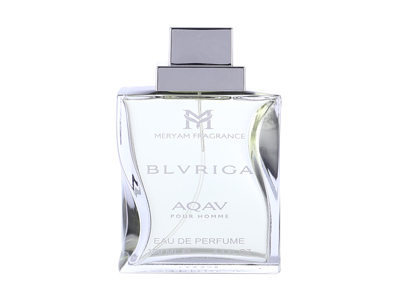
В мире, где визуальное доминирует, ароматы остаются одним из самых загадочных и недооцененных аспектов человеческого опыта. Представьте себе скромный флакон парфюма: снаружи он может быть простым и элегантным, но внутри него скрывается целая вселенная эмоций, воспоминаний и тайн. Аромат, спрятанный на дне, — это не просто смесь химических соединений; это ключ к пониманию глубин человеческой души. В этой статье мы погрузимся в философские, психологические и исторические аспекты того, как запахи могут раскрывать скрытые истины, и почему этот процесс так важен для нашего восприятия мира.
Запахи обладают уникальной способностью мгновенно переносить нас в прошлое, пробуждать забытые чувства и даже влиять на наше поведение. Но что, если мы рассмотрим аромат не как поверхностное явление, а как глубокую метафору? Что, если каждый флакон содержит не только парфюм, но и закодированное послание о человеческой природе? Эти вопросы подводят нас к центральной теме: как аромат, скрытый на дне флакона, может раскрывать тайны, которые мы часто игнорируем в повседневной жизни.
Человеческий мозг устроен таким образом, что обоняние напрямую связано с лимбической системой — областью, отвечающей за эмоции и память. Это объясняет, почему определенные запахи могут мгновенно вызвать vivid воспоминания или сильные чувства. Например, аромат свежеиспеченного хлеба может напомнить о детстве, а запах дождя — о романтических моментах. Но задумывались ли вы, почему некоторые ароматы кажутся более «глубокими» или «тайными»? Это связано с тем, что сложные парфюмерные композиции often содержат базовые ноты, которые раскрываются постепенно, подобно тому, как раскрываются слои личности.
Исследования в области нейронауки показывают, что запахи могут влиять на настроение, стресс и даже принятие решений. В контексте парфюмерии, аромат, скрытый на дне флакона, символизирует те аспекты ourselves, которые мы прячем от других. Возможно, это наши deepest fears, desires, или незавершенные истории. Когда мы наносим парфюм, мы не просто добавляем запах; мы inviting others to uncover these hidden layers. This psychological depth makes aromas a powerful tool for self-discovery and connection.
Moreover, the concept of "hidden aromas" can be extended to cultural and social contexts. In many societies, certain scents are associated with rituals or secrets. For instance, in ancient Egypt, perfumes were used in religious ceremonies to communicate with gods, implying that aromas could reveal divine truths. Today, this translates into how we use fragrances to express identity or conceal vulnerabilities. The bottle becomes a metaphor for the human psyche: what is visible on the surface is only a fraction of what lies within.
Парфюмерия имеет богатую историю, уходящую корнями в древние цивилизации. Египтяне, греки и римляне использовали ароматы not only for personal adornment but also for healing and spiritual purposes. The earliest perfumes were often stored in elaborate containers, symbolizing the value placed on these hidden treasures. For example, in Renaissance Europe, perfumers began creating complex scents with top, middle, and base notes, mirroring the layers of human experience. The base notes—those hidden at the bottom—were designed to linger longest, revealing their secrets over time.
This historical evolution highlights how aromas have always been intertwined with mystery. In the 19th century, with the advent of synthetic chemistry, perfumery entered a new era. Creators could now craft scents that evoked specific emotions or memories, further deepening the connection between aroma and revelation. Think of famous perfumes like Chanel No. 5, which is said to contain over 80 ingredients—each layer telling a part of a story. The bottle, in this case, is not just a container but a vault of secrets waiting to be unlocked by the wearer and those around them.
In modern times, the art of perfumery has become even more sophisticated, with niche fragrances exploring unconventional notes that challenge traditional notions. This reflects a broader cultural shift towards authenticity and self-expression. The hidden aroma at the bottom of the bottle now represents not just personal secrets but collective ones—such as societal taboos or environmental concerns. For instance, some contemporary perfumes incorporate scents like petrichor (the smell of rain on dry earth) to evoke a sense of nostalgia and hidden ecological truths.
Философы давно интересовались ролью senses в понимании reality, и обоняние занимает особое место в этих дискуссиях. From Plato to Nietzsche, there are references to how smells can transcend the physical and touch the metaphysical. The idea that an aroma hidden at the bottom of a bottle can reveal secrets aligns with existential themes—for example, the notion that truth is often buried beneath surface appearances. In a way, the process of experiencing a fragrance—from the initial spray to the lingering base notes—mirrors the journey of life itself: we start with immediate impressions but gradually uncover deeper meanings.
Consider the metaphor of the bottle as a microcosm of the universe. The visible liquid represents the known, while the hidden depths symbolize the unknown or the subconscious. When we engage with a scent, we are engaging in a form of dialogue with these hidden elements. This can be seen as a act of courage, as it requires openness to vulnerability. In Eastern philosophies, such as in Buddhism, smells are used in meditation to facilitate introspection and revelation of inner truths. Thus, the aroma becomes a tool for spiritual awakening, revealing secrets that are not just personal but universal.
Furthermore, this philosophical lens invites us to rethink our relationship with nature and technology. In an age where artificial scents are prevalent, the hidden aroma might represent a longing for authenticity—a desire to reconnect with natural, raw elements that hold ancient wisdom. It challenges us to ask: what secrets are we hiding in our modern lives, and how can aromas help us uncover them? This reflection leads to a broader discussion on the role of art and sensation in human evolution.
Throughout history, artists and writers have drawn inspiration from smells. From Proust's madeleine moment to the use of scent in contemporary art installations, aromas are recognized as a potent medium for expression. The hidden aroma in a perfume bottle can be likened to the subtext in a painting or the underlying theme in a novel—it's what gives the work depth and resonance. In literature, for example, authors often use olfactory descriptions to reveal character traits or plot twists that are not immediately obvious.
In visual arts, perfumers themselves are artists, crafting compositions that tell stories. The bottle design often complements the hidden aroma, with dark glass or intricate packaging hinting at the mysteries inside. This interplay between visual and olfactory elements enhances the overall experience, making the revelation of the aroma a multisensory event. Cultural differences also play a role; in some cultures, certain scents are reserved for special occasions, symbolizing secrets shared only among initiates. This cultural layering adds another dimension to how hidden aromas reveal truths.
Moreover, the rise of digital technology has introduced new ways to explore these concepts. Virtual reality experiences that incorporate scents are becoming more common, allowing people to 'uncover' aromas in immersive environments. This blurs the line between physical and virtual secrets, suggesting that the metaphor of the bottle is evolving. Perhaps in the future, the hidden aroma will not be confined to a physical container but exist in digital realms, revealing truths about our interconnected world.
Beyond philosophy and art, there are practical ways in which hidden aromas can aid in personal growth. Aromatherapy, for instance, uses essential oils to promote emotional and physical well-being, often by unlocking suppressed memories or feelings. The process of selecting a perfume can be a reflective act—choosing a scent that resonates with one's hidden self can lead to greater self-awareness. For example, someone might be drawn to woody base notes because they symbolize stability and depth, revealing a desire for security that they haven't openly expressed.
In relationships, sharing a favorite perfume can become a way to reveal intimate secrets without words. The aroma acts as a bridge, allowing others to glimpse into our inner world. This is why perfumes are often associated with romance and mystery; they facilitate connections based on subtle, non-verbal communication. Businesses have tapped into this, with marketing campaigns that emphasize the 'secret' aspects of their fragrances to appeal to consumers' desires for uniqueness and discovery.
Additionally, mindfulness practices that incorporate scent meditation can help individuals uncover hidden aspects of their psyche. By focusing on the gradual unfolding of an aroma, one can practice patience and introspection, leading to revelations about personal biases, fears, or joys. This practical approach shows that the concept of hidden aromas is not just theoretical but has real-world applications in enhancing mental health and interpersonal relationships.
В заключение, аромат, скрытый на дне флакона, serves as a powerful metaphor for the mysteries that permeate our lives. Whether through psychology, history, philosophy, or practical application, it reminds us that there is always more than meets the eye—or in this case, the nose. By engaging with these hidden layers, we not only enrich our sensory experiences but also embark on a journey of self-discovery and connection with others.
The next time you encounter a perfume, take a moment to appreciate the secrets it holds. Let it inspire you to uncover the hidden truths within yourself and the world around you. For in the depth of that aroma, lies the key to understanding the profound and often overlooked aspects of human existence.
Спасибо, что прочитали эту статью. May it encourage you to explore the hidden aromas in your own life and discover the truths they reveal.
Предыдущая статья: Как смешанные материалы в парфюмерных флаконах создают уникальный стиль
Следующий пост: Почему прозрачность флакона духов делает аромат ярче