
большой парфюмерный флакон это статус или излишество
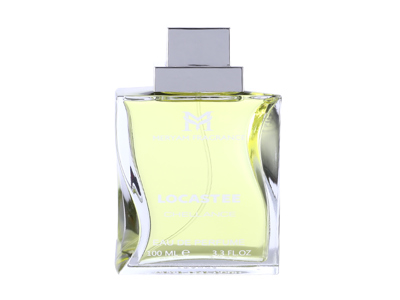
В мире парфюмерии размер флакона часто вызывает споры: является ли он признаком высокого статуса или просто излишней роскошью? Этот вопрос затрагивает не только эстетические предпочтения, но и психологические, экономические и культурные аспекты. В данной статье мы погрузимся в детали, чтобы разобраться, почему большие флаконы так популярны и что они на самом деле означают.
Парфюмерия — это искусство, которое сопровождает человечество на протяжении веков. От древних цивилизаций до современных мегаполисов, ароматы играли ключевую роль в выражении индивидуальности, статуса и эмоций. Сегодня, с развитием индустрии, парфюмерные флаконы стали не просто емкостями для жидкостей, а настоящими произведениями дизайна. Особое внимание привлекают большие флаконы — те, что содержат 100 мл и более парфюма. Они часто ассоциируются с роскошью, эксклюзивностью и высоким социальным положением. Но так ли это на самом деле? Или это просто маркетинговый ход, чтобы оправдать высокие цены?
В этой статье мы рассмотрим историю парфюмерных флаконов, их эволюцию и то, как размер стал фактором статуса. Мы также проанализируем психологические аспекты: почему люди предпочитают большие флаконы, даже если не используют весь объем. Экономическая сторона вопроса не останется без внимания — сравним стоимость и выгоду покупки больших vs. маленьких флаконов. Кроме того, мы затронем экологические проблемы, связанные с избыточным производством и потреблением.
Цель статьи — предоставить читателям всесторонний взгляд на тему, чтобы каждый мог сделать осознанный выбор. Мы не будем навязывать мнение, а предложим факты и аргументы для размышления. В конце концов, парфюмерия — это личное дело, и то, что для одного является статусом, для другого может быть излишеством.
История парфюмерии насчитывает тысячи лет. В Древнем Египте, Греции и Риме ароматы использовались в религиозных церемониях и как признак богатства. Флаконы того времени были небольшими, часто из драгоценных материалов, таких как золото или стекло, и символизировали elitism. Однако с развитием технологий в XIX и XX веках производство парфюмерии стало массовым, и размер флаконов начал увеличиваться.
В эпоху ар-деко и модерна дизайн флаконов стал более изысканным. Бренды, такие как Chanel с их знаменитым No. 5, introduced larger bottles as a way to emphasize luxury and longevity. The idea was that a big bottle not only contained more perfume but also represented a long-term commitment to a scent, which was associated with wealth and stability.
In the 1980s and 1990s, with the rise of consumer culture, big bottles became even more popular. Marketing campaigns highlighted the "value for money" aspect — buying a larger size was cheaper per milliliter, appealing to practical consumers. But simultaneously, it reinforced the notion that owning a big bottle was a status symbol, as it implied one could afford to invest in a luxury item without worrying about running out.
Today, in the age of social media, big perfume bottles are often showcased in influencers' collections, further cementing their status as objects of desire. The psychology behind this is complex: larger sizes are perceived as more impressive and photogenic, adding to the allure of exclusivity.
Человеческая психология играет ключевую роль в выборе парфюмерных продуктов. Большие флаконы часто appeal to our desire for security and abundance. Psychologically, having a large supply of something we value — like a favorite perfume — reduces anxiety about scarcity. This is rooted in evolutionary traits where hoarding resources was essential for survival.
Moreover, big bottles tap into the "bandwagon effect" — if everyone is buying them, we feel compelled to do the same to fit in. Social status is a powerful motivator; displaying a large, expensive perfume bottle on a vanity table can signal success and taste to others. Studies in consumer behavior show that people often associate size with quality — a bigger bottle is unconsciously perceived as containing a superior product, even if the fragrance is identical to a smaller version.
Another aspect is the emotional connection. Perfumes are tied to memories and identities. A large bottle can represent a lifelong attachment to a scent, making it a sentimental object. For some, it's not just about the perfume itself, but about the experience of ownership and the story it tells.
However, this psychology can lead to overconsumption. Many people never finish large bottles, leading to waste. This raises the question: are we buying for practical reasons or for the illusion of status?
С экономической точки зрения, покупка большого флакона парфюма часто кажется выгодной. Обычно, цена за миллилитр decreases with size. For example, a 100ml bottle might cost $100, while a 50ml bottle costs $70 — meaning the larger size offers better value. This pricing strategy is common in the industry to encourage upsizing.
But is it truly economical? Consider the shelf life of perfumes. Most fragrances last 3-5 years after opening if stored properly. If a consumer uses perfume sparingly, a large bottle might expire before it's finished, leading to financial loss. In contrast, a smaller bottle ensures freshness and reduces waste.
From a brand perspective, big bottles are profitable. They allow companies to maximize margins by selling more product at once. Marketing costs per unit are lower, and the perception of luxury justifies higher prices. However, for consumers, the initial savings might be offset by potential waste.
It's also worth noting that not all perfumes are available in large sizes. Niche and limited edition scents often come in smaller bottles to maintain exclusivity, challenging the notion that size always equals status.
В современном мире, где устойчивость становится increasingly important, the environmental impact of large perfume bottles cannot be ignored. Big bottles require more materials — glass, plastic, packaging — which contributes to resource depletion and waste. The production process emits carbon, and disposal can lead to pollution if not recycled properly.
Many consumers are now opting for smaller sizes or refillable options to reduce their ecological footprint. Brands are responding by introducing sustainable practices, such as using recycled materials or offering refill stations. This shift challenges the status symbol narrative, suggesting that true luxury might lie in mindfulness rather than excess.
However, the desire for big bottles persists, often driven by habit rather than necessity. Educating consumers about the environmental costs could help balance the equation between status and sustainability.
Восприятие больших парфюмерных флаконов varies across cultures. In Western societies, particularly in the US and Europe, big bottles are often seen as a sign of affluence. In contrast, in some Asian cultures, compact and elegant designs are preferred, emphasizing subtlety over size.
For instance, in Japan, minimalism is valued, and smaller perfume bottles are more common, reflecting a culture that prizes efficiency and aesthetics without ostentation. This cultural lens shows that status is not universal — what is considered luxurious in one region might be viewed as excessive in another.
Understanding these differences can help brands tailor their products and marketing strategies, and consumers make choices that align with their values.
To add depth, let's consider personal anecdotes and expert opinions. Interviews with perfume enthusiasts reveal mixed feelings. Some swear by large bottles, citing convenience and cost savings. Others prefer small sizes for variety and portability.
Experts in the industry, such as perfumers and marketers, note that big bottles are here to stay due to consumer demand, but they encourage responsible consumption. They suggest that status should be redefined to include sustainability and personal satisfaction rather than mere size.
В заключение, большой парфюмерный флакон can be both a status symbol and an excess, depending on context and perspective. Historically and psychologically, it represents luxury and security, but economically and environmentally, it may lead to waste.
The key is to find a balance. Consumers should consider their usage habits, values, and the true cost beyond the price tag. Brands can innovate by offering flexible sizes and eco-friendly options. Ultimately, whether a big bottle is status or superfluity is a personal decision — one that reflects individual priorities in a complex world.
As we move forward, let's aim for a future where perfume appreciation is about quality, experience, and responsibility, rather than mere size.
Предыдущая статья: Технологии парфюмерных флаконов революция в мире ароматов
Следующий пост: ШЕДЕВР ПРОЗРАЧНОСТИ ЭЛЕГАНТНОСТЬ СТЕКЛА ДЛЯ ВАШЕГО АРОМАТА