
Ошеломляющие тайны старинных флаконов духов
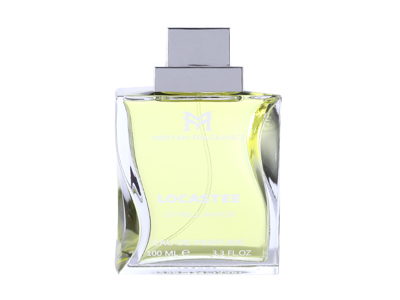
Добро пожаловать в захватывающий мир старинных флаконов духов, где каждый сосуд хранит не только аромат, но и вековые тайны, легенды и истории, способные поразить воображение. Эти миниатюрные произведения искусства, созданные мастерами прошлого, являются не просто контейнерами для парфюмерии, а настоящими артефактами, отражающими эпохи, культуры и человеческие страсти. В этой статье мы погрузимся в глубины истории, чтобы раскрыть ошеломляющие секреты, скрытые за изящными формами и блестящими поверхностями старинных флаконов. От древних цивилизаций до золотого века парфюмерии, мы исследуем, как эти объекты стали символами роскоши, магии и вечной красоты. Приготовьтесь к путешествию, которое изменит ваше восприятие духов навсегда.
Старинные флаконы духов — это нечто большее, чем функциональные предметы; они воплощение искусства, истории и человеческого творчества. С древних времен люди использовали ароматы для ритуалов, медицины и личного украшения, а флаконы, в которых хранились эти драгоценные жидкости, часто становились объектами восхищения и поклонения. В эпоху Древнего Египта, например, флаконы из алебастра и фаянса украшались иероглифами и изображениями богов, считаясь священными сосудами, способными сохранять не только аромат, но и душу владельца. Перемещаясь во времени, мы видим, как в Средневековье стеклодувы Европы создавали intricate designs, отражающие готическую эстетику, а в эпоху Возрождения флаконы стали символами богатства и власти, часто инкрустированные драгоценными камнями и металлами. К XIX веку, с развитием массового производства, флаконы духов evoluted into artistic statements, с такими домами, как Guerlain и Coty, сотрудничающими с известными художниками и ювелирами для создания限量ционных шедевров. Эти сосуды не просто хранили ароматы; они рассказывали истории о обществе, технологиях и индивидуальности. Например, флакон для духов «Shalimar» от Guerlain, созданный в 1925 году, вдохновлен садами Шалимар в Индии и символизирует экзотику и романтику, в то время как ар-деко флаконы 1920-х годов отражают геометрическую элегантность и дух modernity. Коллекционирование старинных флаконов стало страстью для многих, причем некоторые экземпляры продаются на аукционах за сотни тысяч долларов, подчеркивая их культурную и материальную ценность. Но за этой красотой скрываются тайны — от lost recipes и скрытых compartmentов до легенд о проклятиях и магии. В следующих разделах мы раскроем эти захватывающие аспекты, начиная с исторического контекста, который придает старинным флаконам их непреходящее очарование.
История старинных флаконов духов — это зеркало человеческой цивилизации, отражающее technological advancements, cultural shifts, and artistic movements. В древности, примерно 4000 лет назад, первые флаконы появились в Месопотамии и Египте, где ароматные масла использовались в religious ceremonies and for embalming. Эти ранние сосуды были сделаны из глины, камня, или дерева, и often featured simple, utilitarian designs. Например, египетские флаконы в форме животных or gods were believed to hold magical properties, protecting the contents from evil spirits. С распространением trade routes, such as the Silk Road, knowledge of perfumery spread to Greece and Rome, where glassblowing techniques were refined, leading to more elaborate containers. Roman glass flasks, often decorated with mythological scenes, were status symbols among the elite. В Средние века, с упадком Roman Empire, perfumery declined in Europe but thrived in the Islamic world, where Persian and Arab alchemists developed advanced distillation methods and created beautiful glass vessels inscribed with Quranic verses. Возрождение perfumery в Европе началось в эпоху Ренессанса, particularly in Italy and France, with the rise of courtly culture. Флаконы стали более изысканными, изготовленными из хрусталя, серебра, и золота, often commissioned by royalty. Например, флакон Екатерины Медичи, сделанный в XVI веке, был украшен intricate enameling and believed to contain poison as well as perfume—a dark secret that adds to its mystique. Industrial Revolution в XIX веке democratized perfumery, with mass production making flacons more accessible, but also sparking innovation in design. Art Nouveau and Art Deco movements of the early 20th century brought radical changes, with flacons becoming true works of art. René Lalique, a famous glass designer, created iconic flacons for houses like Maison Worth, featuring flowing organic forms or geometric patterns that captured the spirit of the age. Each era left its mark, and today, these historical layers contribute to the mysteries we explore—such as why certain designs were chosen or what messages they concealed. Understanding this context is key to appreciating the deeper secrets hidden within these ancient vessels.
Дизайн старинных флаконов духов часто насыщен symbolismом, который goes beyond mere aesthetics, serving as a coded language that conveyed messages about status, beliefs, and even secret societies. In many cultures, the shape, color, and decorations of a flacon were carefully chosen to reflect deeper meanings. For instance, in Ancient Egypt, flacons shaped like lotus flowers symbolized rebirth and purity, while those depicting animals like cats represented protection and divinity. Similarly, in Victorian England, flacons often featured floral motifs that carried specific meanings according to the language of flowers—a rose for love, a lily for purity—allowing individuals to express sentiments discreetly in a conservative society. Более того, некоторые флаконы were designed with hidden compartments or double walls, possibly to conceal precious substances like jewels, poison, or even love letters. A famous example is the flacon of Marie Antoinette, rumored to have a secret drawer for storing messages during the French Revolution. In the Art Deco period, geometric patterns and streamlined forms symbolized modernity and progress, but also often incorporated esoteric symbols like pyramids or eyes, hinting at influences from Freemasonry or other mystical traditions. Additionally, the materials used held symbolic weight: gold for wealth and eternity, crystal for clarity and spirituality, and colored glass to evoke emotions—blue for calmness, red for passion. These elements weren't arbitrary; они были частью narrative, созданного парфюмерными домами to enhance the allure of their scents. For example, the flacon for «Jicky» by Guerlain, introduced in 1889, features a simple yet elegant design that reflects the perfume's innovative synthetic notes, symbolizing a break from tradition. Раскрытие этих символов requires a keen eye and knowledge of historical context, as many meanings have been lost over time. коллекционеры и historians often debate the interpretations, adding to the enigmatic nature of these objects. This layer of secrecy makes starye flakony not just beautiful artifacts, but puzzles waiting to be solved, inviting us to decode the stories etched into their very essence.
Среди множества старинных флаконов духов некоторые выделяются как легендарные, окруженные аурами таинственности и нераскрытых секретов, которые продолжают интриговать экспертов и энтузиастов. Один из самых известных примеров — флакон для духов «Baccarat» от House of Worth, созданный в конце XIX века. Этот хрустальный шедевр, украшенный intricate cuts and often set with precious stones, якобы содержал аромат, который мог изменять настроение или даже привлекать любовь, но точный рецепт утерян, и современные попытки воссоздать его остаются безуспешными. Другой загадочный флакон — «L'Heure Bleue» от Guerlain, выпущенный в 1912 году: его волнистая форма и нежно-голубой цвет символизируют «голубой час» сумерек, но ходят слухи, что первоначальный дизайн включал скрытое отделение для хранения яда, используемого в аристократических интригах. В России флаконы Fabergé, созданные для царской семьи, often featured elaborate enameling and hidden mechanisms; например, флакон в форме яйца мог открываться to reveal a miniature portrait or a secret message, но многие из этих features были утеряны или забыты со временем. Более мрачная тайна surrounds the flacon of «Bellodgia» от Caron 1920-х годов: говорят, что его форма, напоминающая церковный купол, была вдохновлена итальянской деревней, но местные легенды утверждают, что он использовался в оккультных ритуалах для вызова духов. Еще один пример — флакон «Shalimar» от Guerlain, который, как считается, содержит echoes of ancient Indian love stories, but some believe it holds a curse that brings misfortune to those who possess it without pure intentions. These legends are often based on fragmentary historical records and oral traditions, making them difficult to verify, but they add a layer of drama and allure to collecting. Аукционные дома like Sotheby's and Christie's occasionally feature such flacons, sparking frenzied bidding among collectors who hope to uncover their secrets. However, many mysteries remain unsolved, such as the true purpose of unusual design elements or the origins of rare materials used. This perpetual state of unknown fuels the fascination, reminding us that these flacons are not just objects of beauty, but vessels of untold stories waiting for the right person to reveal them.
Старинные флаконы духов часто играли central role in perfumery rituals and magical practices across cultures, serving as tools for spiritual connection, healing, and even witchcraft. В ancient times, ароматы считались bridge between the physical and spiritual worlds, and the flacons that held them were imbued with symbolic power. Например, в Древнем Египте, флаконы использовались в burial rites to preserve the soul's journey to the afterlife, with specific shapes like ankhs or scarabs believed to provide protection. Similarly, in Medieval Europe, monks and alchemists created perfumes in elaborately designed flacons for use in religious ceremonies, thinking that the vessels could amplify the prayers or intentions embedded in the scents. С приходом эпохи Просвещения, although science began to demystify many practices, the association of flacons with magic persisted. In the 18th and 19th centuries, flacons were sometimes used in folk magic, such as in love spells where a perfume would be stored in a specially crafted flacon to attract a desired partner; например, флаконы в форме hearts or knots were common for this purpose. В викторианскую эпоху, spiritualism movement led to flacons being used in séances, with mediums claiming that certain designs could channel spirits or enhance psychic abilities. Более того, некоторые флаконы were believed to have protective properties: например, those made of amber or certain crystals were thought to ward off evil eyes or negative energies. In Eastern traditions, such as in India or China, flacons often featured motifs of dragons or deities, used in Ayurvedic or Taoist rituals for healing and balance. Even today, modern witches and practitioners of Wicca sometimes use antique flacons in their craft, valuing them for their historical energy and aesthetic. These practices highlight how flacons transcended their utilitarian function to become sacred objects. Однако, многие из этих ритуалов и верований были lost or suppressed over time, and uncovering them requires piecing together historical accounts and anthropological studies. This magical dimension adds a profound depth to the mysteries of starye flakony, suggesting that they are not merely containers, but portals to forgotten worlds of belief and wonder.
Создание старинных флаконов духов было feat of artistry and technological innovation, involving skilled craftsmen who employed techniques that are often lost or rare today. The process varied across eras and regions, but generally involved glassblowing, metalworking, enameling, and engraving. In ancient times, techniques were primitive yet effective; for example, Egyptian artisans used core-forming methods to create glass flacons by winding molten glass around a clay core, which was later removed. This resulted in vibrant colors from mineral additives like cobalt or copper. During the Roman Empire, glassblowing was revolutionized, allowing for more complex shapes and thinner walls, with molds used for mass production of decorated flacons. В Средние века, Islamic glassmakers in places like Damascus and Venice perfected the art of gilding and enameling, adding intricate patterns that reflected cultural and religious themes. The Renaissance saw a rise in luxury flacons made from precious materials; for instance, goldsmiths like Benvenuto Cellini created flacons for royalty, incorporating techniques such as repoussé (hammered relief) and gem-setting. Industrial advancements in the 19th century, such as the invention of pressed glass, made flacons more affordable but also enabled greater detail in designs. Artists like René Lalique in the early 20th century pushed boundaries by using pâte-de-verre (glass paste) and acid etching to achieve unprecedented textures and透明度. Each flacon was a collaboration between perfumers and designers, often involving secret recipes for glass compositions that gave unique colors or effects—например, Lalique's use of opalescent glass to create a mystical glow. However, many of these techniques are no longer practiced due to cost or environmental concerns, and modern reproductions often lack the authenticity of originals. This loss of craftsmanship contributes to the mysteries, as experts struggle to replicate or fully understand how certain effects were achieved. Additionally, some flacons featured mechanical innovations, like hidden pumps or seals to preserve the perfume, which are now subjects of restoration challenges. Studying these technologies not only reveals the ingenuity of past artisans but also hints at why certain flacons are so valued and enigmatic today—they are tangible links to a world where handcrafted beauty was paramount.
Наследие старинных флаконов духов profoundly influences modern perfumery, shaping design trends, marketing strategies, and even the very essence of fragrances today. Многие contemporary perfume houses draw inspiration from historical flacons, reinterpreting classic designs to evoke nostalgia and luxury. Например, brands like Guerlain and Dior often release limited edition flacons that pay homage to their archival pieces, such as the iconic «Bee» bottle from Guerlain, which dates back to the 19th century and symbolizes empire and industry. These modern versions not only celebrate heritage but also tap into the mysteries and allure of the past, appealing to collectors and consumers seeking authenticity. Кроме того, the symbolism and storytelling embedded in ancient flacons have become a key part of modern perfume marketing; campaigns frequently reference historical narratives or esoteric elements to create a sense of exclusivity and depth. For instance, Tom Ford's «Black Orchid» flacon draws on Art Deco aesthetics, hinting at the glamour and secrecy of the 1920s. Technologically, advancements in glassmaking and design software allow for more precise recreations of intricate patterns, though some argue that mass production has diluted the artistry. Однако, there is a growing trend towards artisan perfumery, where small batches are presented in handcrafted flacons that echo historical techniques, thus preserving the mystery and craftsmanship. Moreover, the study of old flacons has led to rediscoveries of lost perfume formulas; например, анализируя residues in antique flacons, scientists have been able to reconstruct ancient scents, offering insights into historical preferences and practices. This blending of old and new enriches the perfumery landscape, but also raises questions about authenticity—can a modern flacon truly capture the soul of its predecessor? The enduring fascination with starye flakony ensures that their influence will continue, inspiring future innovations while keeping their secrets alive. In essence, these ancient vessels are not relics of the past but active participants in the ongoing story of perfumery, reminding us that beauty and mystery are timeless.
Коллекционирование старинных флаконов духов — это passion that combines art appreciation, historical research, and detective work, offering opportunities to uncover their hidden secrets. Энтузиасты и professionals use various methods to study and preserve these artifacts, from meticulous cleaning and restoration to advanced scientific analysis. Например, ultraviolet light or X-rays can reveal hidden inscriptions or structural flaws that indicate age and authenticity. Коллекционеры often collaborate with historians and chemists to analyze the materials—glass composition, enamels, or metals—which can provide clues about the origin and era of a flacon. Additionally, provenance research tracking previous owners and sales histories can unveil stories of royalty, scandal, or adventure associated with specific pieces. Однако, preservation is challenging; old flacons are fragile and susceptible to damage from light, humidity, or improper handling, so museums and private collectors employ climate-controlled displays and careful handling techniques. В digital age, online databases and forums allow collectors to share findings and debate mysteries, such as the meaning of obscure symbols or the authenticity of rare finds. Например, the discovery of a previously unknown flacon from the Russian Imperial Court might spark investigations into its design influences. Despite these efforts, many secrets remain elusive due to lost records or the passage of time. Nevertheless, the thrill of the hunt drives the community, with auctions and fairs serving as venues for exciting discoveries. This ongoing pursuit not only preserves cultural heritage but also keeps the mysteries alive, inviting new generations to engage with these enchanting objects. Ultimately, collecting starye flakony is more than a hobby; it's a journey into the past, where each flacon holds the potential to reveal a fragment of history's grand tapestry.
В заключение, старинные флаконы духов — это не просто сосуды для ароматов, а капсулы времени, хранящие ошеломляющие тайны, которые продолжают captivate нас сегодня. От их богатой истории и символичного дизайна до легенд о магии и нераскрытых секретах, эти артефакты предлагают бесконечные возможности для exploration и восхищения. Они напоминают нам о человеческом стремлении к красоте, meaning, и connection с unseen worlds. Как мы видели, влияние старинных флаконов на современную парфюмерию и культуру collection подчеркивает их enduring relevance. Whether you are a collector, historian, or simply a lover of beauty, the mysteries of these flacons invite you to look closer, dig deeper, and perhaps uncover a secret of your own. В мире, где все кажется known, старинные флаконы духов остаются beaconом wonder, urging us to preserve and cherish the past while dreaming of the stories yet to be told.
Предыдущая статья: крошечные ароматы меняют мир
Следующий пост: Технологии парфюмерных флаконов революция в мире ароматов