Почему дизайн парфюмерной бутылки влияет на покупку
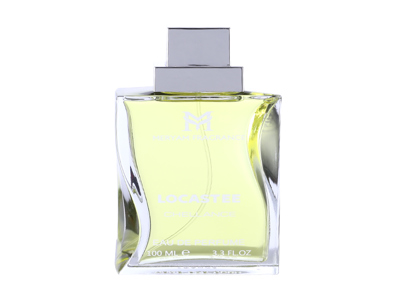
В мире парфюмерии аромат часто считается главным фактором выбора, но дизайн бутылки играет не менее важную роль в процессе принятия решения о покупке. От классических форм до современных инноваций, бутылка служит не только контейнером для духов, но и мощным инструментом маркетинга, который привлекает внимание, вызывает эмоции и укрепляет бренд. В этой статье мы углубимся в причины, по которым дизайн парфюмерной бутылки так сильно влияет на потребителей, охватывая психологические, культурные и экономические аспекты.
Человеческий мозг обрабатывает визуальную информацию быстрее, чем любую другую, и дизайн бутылки часто является первым, что замечает потенциальный покупатель. Исследования в области нейромаркетинга показывают, что определенные формы и цвета могут вызывать специфические эмоции. Например, округлые формы ассоциируются с мягкостью и комфортом, что может сделать аромат более привлекательным для тех, кто ищет уютные и нежные запахи. Напротив, угловатые и геометрические дизайны часто передают современность и силу, appealing к потребителям, ценящим innovation и уверенность.
Цвет также играет ключевую роль. Теплые тона, такие как красный и оранжевый, могут стимулировать appetite и страсть, в то время как холодные цвета, like blue и green, evoke спокойствие и свежесть. В парфюмерии это используется для усиления восприятия аромата. Например, бутылка в shades of blue might be used for aquatic or fresh scents, reinforcing the idea of cleanliness and ocean breezes. This subconscious association can make the product more desirable even before the customer smells it.
Дизайн парфюмерных бутылок has evolved significantly over centuries, reflecting changes in technology, art, and societal values. In ancient times, perfumes were stored in simple clay or glass vessels, but with the rise of the perfume industry in the 19th century, bottles became more elaborate. Art Nouveau and Art Deco movements introduced intricate designs that turned perfume bottles into collectible art pieces. For instance, the iconic bottle of Chanel No. 5, designed in 1921, with its minimalist rectangular shape, became a symbol of luxury and modernity that still influences design today.
In the modern era, sustainability and innovation have become key drivers. Brands are now using recycled materials and eco-friendly designs to appeal to environmentally conscious consumers. This historical context shows that bottle design is not static but adapts to consumer expectations, making it a dynamic factor in purchase decisions.
A well-designed perfume bottle can serve as a powerful branding tool. It helps differentiate a product in a crowded market and communicates the brand's values without words. For example, the curvaceous bottle of Jean Paul Gaultier's Classique perfume, shaped like a woman's torso, instantly conveys themes of femininity and sensuality, aligning with the brand's image. This visual identity makes the product memorable and can lead to higher brand loyalty.
Moreover, in retail environments, where consumers are overwhelmed with choices, an attractive bottle can act as a silent salesman. It draws attention on shelves and online platforms, increasing the likelihood of impulse purchases. Marketing campaigns often highlight the bottle's design in advertisements, further embedding it in the consumer's mind as a symbol of quality and desirability.
Cultural factors also play a significant role in how bottle design affects purchases. In different regions, aesthetic preferences vary; for instance, in Asia, minimalist and elegant designs are often preferred, while in Western markets, bolder and more decorative bottles might resonate better. Understanding these cultural nuances allows brands to tailor their designs for global appeal.
Social trends, such as the rise of influencers and social media, have amplified the importance of visual appeal. A photogenic bottle can become a trend on platforms like Instagram, where users share images of luxurious items, driving word-of-mouth marketing and increasing sales. This social proof can convince potential buyers that the product is worth investing in, even if they haven't experienced the scent yet.
The design of a perfume bottle can directly impact its perceived value and pricing. High-end brands often invest in elaborate packaging, such as crystal-like glass or custom caps, to justify premium prices. Consumers associate intricate designs with luxury and quality, making them willing to pay more. Conversely, budget-friendly brands might opt for simpler designs to keep costs low, but even then, a clever design can enhance appeal without breaking the bank.
In the economics of consumer behavior, the bottle acts as a signal of the product's worth. A study might show that people are more likely to purchase a perfume if the bottle looks expensive, as it suggests a higher-quality fragrance inside. This psychological effect can lead to increased sales and profitability for brands that prioritize design.
To illustrate these points, consider the success of brands like Dior and their J'adore perfume, which features an amphora-shaped bottle that evokes classical beauty and elegance. This design has helped it become a bestseller, appealing to consumers who value timeless style. Similarly, the innovative bottle of Viktor&Rolf's Flowerbomb, designed to resemble a grenade but filled with floral motifs, creates a striking contrast that sparks curiosity and discussion, driving purchases.
Case studies from market research indicate that redesigning a bottle can lead to a significant boost in sales. For instance, when a brand updates its packaging to be more modern or sustainable, it often sees a renewed interest from both existing and new customers, highlighting the direct correlation between design and commercial success.
In conclusion, the design of a perfume bottle is far more than just aesthetics; it is a critical element that influences purchase decisions through psychological triggers, historical context, marketing strategies, cultural influences, and economic factors. As the perfume industry continues to evolve, brands that invest in thoughtful and innovative bottle design will likely maintain a competitive edge, captivating consumers and turning simple purchases into memorable experiences. Ultimately, the bottle is the first handshake between the product and the buyer, making it an indispensable part of the journey from shelf to home.
By understanding and leveraging the power of design, companies can not only increase sales but also build lasting emotional connections with their audience. Whether through subtle elegance or bold statements, the right bottle can make all the difference in why someone chooses to buy a perfume.
Предыдущая статья: Преимущества парфюмерных флаконов которые вы должны знать прямо сейчас
Следующий пост: Запахи быстро выветриваются и теряют стойкость