
Использование переработанных пластиковых флаконов для духов будущее индустрии
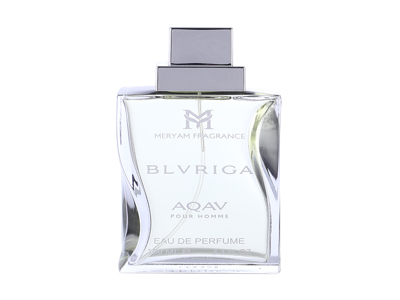
В современном мире, где экологическая осознанность становится не просто трендом, а необходимостью, индустрия парфюмерии стоит на пороге революционных изменений. Одним из ключевых аспектов этой трансформации является переход на использование переработанных пластиковых флаконов для духов. Это не только отвечает глобальным вызовам изменения климата и загрязнения окружающей среды, но и открывает новые возможности для брендов, стремящихся укрепить свою репутацию и привлечь лояльную аудиторию. В этой статье мы подробно рассмотрим, почему переработанный пластик становится будущим индустрии, как это влияет на потребителей, производителей и всю экосистему, а также предложим практические советы по внедрению таких инноваций.
Парфюмерия всегда ассоциировалась с роскошью, элегантностью и вниманием к деталям. Однако за красивыми упаковками часто скрывается серьезная экологическая проблема: пластиковые отходы. Ежегодно миллионы флаконов для духов оказываются на свалках, contributing to the growing plastic pollution crisis. According to recent studies, the cosmetics industry generates over 120 billion units of packaging annually, with a significant portion being non-recyclable or single-use plastic. This has led to increased pressure from consumers, regulators, and environmental groups to adopt more sustainable practices.
Использование переработанных пластиковых флаконов предлагает решение этой проблемы. By incorporating post-consumer recycled (PCR) plastic into perfume bottles, brands can reduce their carbon footprint, conserve natural resources, and demonstrate a commitment to corporate social responsibility. Moreover, this shift aligns with the United Nations Sustainable Development Goals, particularly Goal 12: Responsible Consumption and Production. As consumers become more educated about environmental issues, they are increasingly favoring brands that prioritize sustainability, making this not just an ethical choice but a smart business strategy.
Переработка пластика имеет множество экологических benefits. First and foremost, it reduces the amount of waste sent to landfills and oceans. Plastic pollution is a major threat to marine life and ecosystems, with estimates suggesting that by 2050, there could be more plastic than fish in the ocean by weight. By using recycled materials, the perfume industry can play a part in mitigating this crisis.
Additionally, producing recycled plastic requires less energy and resources compared to virgin plastic. For example, manufacturing PCR plastic can save up to 50% of the energy and reduce greenhouse gas emissions by up to 30%. This contributes to lower carbon footprints for brands, which is crucial in the fight against climate change. Furthermore, recycling helps conserve finite resources like petroleum, which is the primary raw material for plastic production. As the world moves towards a circular economy, where materials are reused and recycled indefinitely, adopting recycled packaging becomes essential for long-term sustainability.
Beyond environmental benefits, using recycled plastic flacons can also offer economic advantages. While the initial investment in switching to recycled materials might be higher due to costs associated with sourcing and processing, the long-term savings can be significant. For instance, reduced waste disposal costs and potential tax incentives for sustainable practices can improve profitability. Moreover, as demand for recycled materials increases, economies of scale may drive down prices, making it more affordable over time.
Consumer demand is another key economic driver. Studies show that a growing number of shoppers are willing to pay a premium for products with eco-friendly packaging. In fact, a survey by Nielsen found that 73% of global consumers are likely to change their consumption habits to reduce environmental impact. By embracing recycled flacons, perfume brands can tap into this market, enhance brand loyalty, and differentiate themselves from competitors. This can lead to increased sales and market share, ultimately boosting the bottom line.
The adoption of recycled plastic in perfume bottles is supported by advancements in technology. Modern recycling processes have improved the quality and purity of recycled materials, making them suitable for high-end applications like luxury fragrance packaging. Techniques such as mechanical recycling, where plastic is sorted, cleaned, and melted down, can produce PCR plastic that meets stringent quality standards. For example, companies like Veolia and Suez are pioneering methods to ensure that recycled plastic is free from contaminants and has the same durability and aesthetic appeal as virgin plastic.
Innovations in design are also playing a role. Brands are collaborating with designers to create flacons that not only use recycled materials but are also fully recyclable themselves. This closes the loop in the product lifecycle, promoting a circular economy. Additionally, smart packaging technologies, such as QR codes that provide information on recycling, are being integrated to educate consumers and encourage proper disposal. These technological strides make it easier for brands to transition to sustainable packaging without compromising on quality or design.
The shift to recycled flacons has a profound social impact. It raises awareness about environmental issues and encourages responsible consumption. Consumers, especially millennials and Gen Z, are increasingly making purchasing decisions based on a brand's values and sustainability efforts. By using recycled packaging, perfume brands can build trust and foster a positive brand image. This can lead to stronger customer relationships and word-of-mouth marketing, as environmentally conscious consumers are more likely to recommend brands that align with their beliefs.
Moreover, this trend promotes inclusivity and transparency. Brands that openly communicate their sustainability initiatives, such as the percentage of recycled content in their packaging, can engage with consumers on a deeper level. Social media platforms amplify this effect, allowing brands to share their stories and connect with a global audience. For example, campaigns highlighting the journey from waste to beautiful flacon can inspire and educate, turning customers into advocates for the cause.
Despite the benefits, there are challenges in adopting recycled plastic flacons. One major hurdle is the cost and availability of high-quality recycled materials. The supply chain for PCR plastic can be inconsistent, and prices may fluctuate based on market demand. To address this, brands can invest in long-term partnerships with recyclers or even develop in-house recycling programs. Collaboration across the industry can also help standardize processes and reduce costs.
Another challenge is consumer perception. Some may associate recycled plastic with lower quality or assume it compromises the luxury experience. Education and marketing are key to overcoming this. Brands can emphasize that recycled flacons maintain the same elegance and functionality while benefiting the planet. Certifications from organizations like the Forest Stewardship Council (FSC) or Cradle to Cradle can provide credibility and assurance to consumers.
Regulatory compliance is also important. Governments worldwide are implementing stricter regulations on plastic use and waste management. By proactively adopting recycled packaging, brands can stay ahead of legislation and avoid potential fines or reputational damage. Engaging with policymakers and industry groups can help shape favorable regulations and support the transition to sustainability.
The future of the perfume industry is undoubtedly green. As technology continues to evolve, we can expect even more innovative solutions, such as bio-based plastics derived from renewable sources like sugarcane or algae. These materials offer similar benefits to recycled plastic but with additional environmental advantages, such as biodegradability.
Consumer demand for sustainability will only grow, driven by increased awareness and activism. Brands that fail to adapt risk being left behind. In the coming years, we may see a standardization of sustainable practices across the industry, with recycled content becoming a norm rather than an exception. Collaboration between brands, suppliers, and consumers will be crucial in accelerating this shift.
Ultimately, the use of recycled plastic flacons is not just a trend but a necessary evolution for the perfume industry. It represents a commitment to preserving our planet for future generations while maintaining the artistry and luxury that define fragrances. By embracing this change, brands can lead the way towards a more sustainable and prosperous future.
В заключение, использование переработанных пластиковых флаконов для духов является мощным шагом towards a sustainable future for the industry. It offers environmental, economic, and social benefits that align with global efforts to combat plastic pollution and climate change. While challenges exist, they can be overcome through innovation, collaboration, and consumer education. As we move forward, it is imperative for brands to integrate recycled materials into their packaging strategies, not only to meet regulatory demands but to resonate with the values of modern consumers. The future of perfumery is bright, green, and full of potential—let's embrace it together.
For more information on how to implement sustainable practices in your brand, consider consulting with experts in eco-friendly packaging or exploring partnerships with organizations dedicated to environmental conservation. Together, we can make a difference, one flacon at a time.
Предыдущая статья: Спрей для духов невероятное превращение вашего стиля
Следующий пост: Как стеклянные бутылки продлевают аромат духов навсегда