
Платформа для парфюмерных флаконов как новый тренд в индустрии красоты
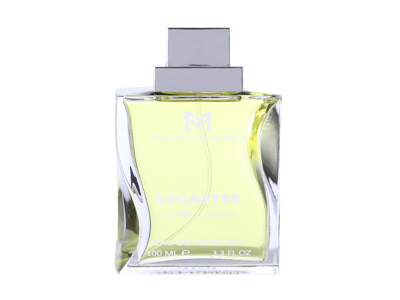
Индустрия красоты постоянно эволюционирует, внедряя инновации, которые не только улучшают продукты, но и трансформируют потребительский опыт. Одним из таких нововведений является концепция платформы для парфюмерных флаконов — системы, которая предлагает стандартизированные, многоразовые или модульные контейнеры для духов. Этот тренд набирает обороты, отражая растущий спрос на устойчивость, персонализацию и технологическую интеграцию. В данной статье мы глубоко исследуем этот феномен, анализируя его истоки, текущее состояние, преимущества, вызовы и будущие направления. Мы рассмотрим, как платформы для флаконов могут революционизировать парфюмерную индустрию, способствуя экологической ответственности и удовлетворяя современные потребительские ожидания.
Парфюмерия имеет богатую историю, насчитывающую тысячи лет, начиная с древних цивилизаций, таких как Египет и Месопотамия, где ароматы использовались в религиозных и лечебных целях. Изначально парфюмы хранились в простых сосудах из глины, стекла или металла, которые часто были произведениями искусства, отражающими статус и культуру. В средние века и эпоху Возрождения парфюмерные флаконы стали более изысканными, с intricate designs, но оставались индивидуальными для каждого продукта. Индустриальная революция XIX века привела к массовому производству, стандартизируя упаковку и делая парфюмерию более доступной. Однако даже тогда флаконы были одноразовыми и не учитывали вопросы устойчивости.
В XX веке, с ростом потребительской культуры, парфюмерная индустрия emphasis на брендинг и эстетику, создавая iconic флаконы, такие как Chanel No. 5, которые стали символами luxury. Но это также привело к увеличению отходов, так как большинство флаконов выбрасывались после использования. К концу века, с ростом экологического сознания, начали появляться первые попытки многоразовой упаковки, но они оставались нишевыми. Только в XXI веке, с усилением focus на sustainability и digital innovation, концепция платформ для флаконов начала gain traction. Это evolution отражает broader shift в индустрии красоты towards circular economy и customer-centric approaches.
Платформа для парфюмерных флаконов — это система, где бренды предлагают стандартизированные, совместимые контейнеры, которые могут быть использованы для multiple ароматов или refilled. Это может включать модульные designs, где пользователи могут менять parts флакона, такие как колпачки или labels, чтобы customize внешний вид. Ключевые элементы включают: стандартизацию размеров и соединений для обеспечения interoperability между different ароматами; возможность refill через специальные станции или online services; интеграцию с технологиями, например, NFC chips для authentication или personalization; и emphasis на durable materials, такие как glass, metal, или recycled plastics.
Эта концепция borrows из других industries, таких как electronics с modular smartphones или cosmetics с refillable packaging. Она addresses several pain points traditional парфюмерии: waste reduction, cost savings for consumers, enhanced brand loyalty через repeated interactions, и innovation в product delivery. Например, бренды like L'Oréal или Estée Lauder experiment с refill systems, где покупатели can bring empty флаконы back to stores для refills at a lower price. Others, like startups, develop fully modular platforms, allowing users to mix and match scents and designs. This shift is not just about packaging; it's about rethinking the entire consumer journey, from purchase to disposal, in a more sustainable and engaging way.
В recent years, several beauty brands have embraced the platform concept for perfume bottles. For instance, Lush Cosmetics has long promoted naked packaging and refill stations for its products, including perfumes, reducing plastic waste significantly. Another example is Byredo, which offers refillable perfume bottles and encourages customers to return them for discounts. Luxury brands like Gucci and Dior are also experimenting with limited edition refillable bottles, blending sustainability with exclusivity.
Technology plays a crucial role in this trend. Smart bottles equipped with sensors or QR codes can track usage, suggest refills, or even adjust scent intensity based on user preferences. Companies like WelleCo in Australia have developed connected wellness products that could inspire similar innovations in perfumery. Additionally, subscription models are emerging, where consumers receive refills regularly, ensuring a steady revenue stream for brands while reducing environmental impact.
Market data shows growing consumer interest: a 2023 survey by Mintel revealed that over 60% of beauty consumers prefer brands with sustainable packaging options. Social media and influencer marketing amplify this trend, with platforms like Instagram showcasing stylish, eco-friendly perfume bottles as status symbols. This cultural shift is driving rapid adoption, with forecasts suggesting that the refillable perfume market could grow by 15% annually over the next five years.
Одним из primary drivers платформы для флаконов является reduction environmental footprint парфюмерной индустрии. Traditional perfume packaging generates significant waste: glass bottles, plastic caps, and cardboard boxes often end up in landfills, contributing to pollution and resource depletion. By adopting refillable or modular systems, brands can cut waste by up to 70%, according to studies by the Ellen MacArthur Foundation.
Lifecycle assessments show that refillable bottles have a lower carbon footprint compared to single-use ones, especially if made from recycled materials. For example, using recycled glass reduces energy consumption by 40% during production. Moreover, platforms encourage circular economy principles, where materials are kept in use for longer, reducing the need for virgin resources. This aligns with global sustainability goals, such as the UN's Sustainable Development Goals, and helps brands comply with increasing regulations on packaging waste, like the EU's Single-Use Plastics Directive.
Consumers are increasingly aware of these issues; a 2022 report by Nielsen found that 73% of global consumers are willing to change their consumption habits to reduce environmental impact. By promoting platforms for perfume bottles, brands not only mitigate their ecological impact but also enhance their corporate social responsibility (CSR) profiles, attracting environmentally conscious customers and improving brand image.
Технологии являются key enabler для платформ парфюмерных флаконов, offering tools для innovation и efficiency. Internet of Things (IoT) devices, such as smart caps with sensors, can monitor scent levels, remind users to refill, or even connect to apps for personalized recommendations. For instance, a smart bottle might use machine learning to analyze user preferences and suggest new fragrances based on weather, mood, or occasion.
Augmented reality (AR) and virtual reality (VR) are also being integrated; customers can use AR apps to visualize how a refillable bottle would look with different designs before purchasing. Blockchain technology ensures authenticity and traceability, preventing counterfeiting—a common issue in luxury perfumery. By recording each refill or modification on a blockchain, brands can provide transparent proof of origin and sustainability claims.
Additive manufacturing, or 3D printing, allows for on-demand production of custom bottle parts, reducing inventory waste and enabling mass customization. Brands like Prototype Projects in the UK are exploring 3D-printed perfume bottles that can be easily modified or repaired. These technological advancements not only make platforms more functional but also create new revenue streams through data analytics and premium services, such as subscription-based scent personalization.
Внедрение платформ для флаконов offers significant economic advantages. For brands, refill systems reduce packaging costs over time; initial investment in durable bottles is offset by savings on materials and logistics for single-use packaging. Additionally, it fosters customer loyalty: consumers who invest in a reusable bottle are more likely to return for refills, increasing lifetime value. Data from case studies show that brands with refill programs see a 20-30% increase in repeat purchases.
For consumers, platforms provide cost savings; refills are often cheaper than buying a new bottle, making luxury perfumes more accessible. For example, a refill might cost 50% less than a full product, appealing to budget-conscious shoppers. Modular designs also allow for customization without the high cost of bespoke bottles, enhancing perceived value.
Moreover, this model opens up new business opportunities, such as B2B services where brands lease bottles to retailers or offer refill stations in stores. It can also drive innovation in supply chains, encouraging local production and reducing transportation emissions. Overall, the economic benefits contribute to a more resilient and profitable industry, aligning financial goals with sustainability objectives.
Несмотря на преимущества, внедрение платформ для флаконов faces several challenges. Logistical issues include setting up refill infrastructure, such as in-store stations or distribution networks for online refills, which require significant investment. Consumer behavior is another barrier; many are accustomed to disposable packaging and may resist change due to convenience or hygiene concerns. Education is needed to shift mindsets and demonstrate the benefits.
Technical challenges involve ensuring compatibility between different brands' bottles, which requires industry-wide standards that are currently lacking. Without standardization, platforms could become fragmented, limiting their effectiveness. Regulatory hurdles also exist; for instance, safety regulations for refillable containers must be addressed to prevent contamination or misuse.
Economic factors, such as higher upfront costs for durable bottles, might deter some consumers, especially in price-sensitive markets. Brands must balance these costs with incentives like discounts or loyalty programs. Additionally, there is a risk of greenwashing if claims about sustainability are not backed by genuine actions, potentially damaging brand reputation. Overcoming these challenges requires collaboration between brands, regulators, and consumers to create a cohesive ecosystem.
Looking ahead, the platform for perfume bottles trend is poised for growth, driven by advancing technologies and increasing environmental awareness. Future developments may include fully digital platforms where users can design their own bottles via apps and have them 3D-printed locally, reducing carbon footprint further. Integration with artificial intelligence could lead to adaptive scents that change based on biometric data, offering unparalleled personalization.
To accelerate adoption, industry stakeholders should focus on developing universal standards for bottle designs and refill systems, similar to USB standards in electronics. Governments can support this through incentives for sustainable packaging, such as tax breaks or grants. Brands should invest in consumer education, highlighting the long-term savings and environmental benefits through marketing campaigns and transparent reporting.
Recommendations for brands include starting with pilot programs in key markets, collaborating with tech companies for innovation, and engaging customers through loyalty programs. For consumers, embracing refill culture and supporting brands that prioritize sustainability can drive change. Ultimately, the success of this trend will depend on a collective effort to create a circular economy in the beauty industry, where waste is minimized, and value is maximized for all parties involved.
Платформа для парфюмерных флаконов represents a transformative trend in the beauty industry, merging sustainability, technology, and consumer-centric innovation. By moving away from single-use packaging towards refillable and modular systems, brands can reduce environmental impact, enhance economic efficiency, and meet evolving consumer demands. While challenges remain, the potential benefits are substantial, offering a path to a more responsible and engaging future for perfumery. As the industry continues to evolve, embracing this trend will be crucial for long-term success and contribution to global sustainability goals. Through collaboration and innovation, the vision of a circular perfume ecosystem can become a reality, setting a new standard for beauty worldwide.
Предыдущая статья: Почему ароматы в красивых флаконах продаются лучше простых упаковок
Следующий пост: Как маленький флакон парфюма станет вашим лучшим аксессуаром